CREATE YOUR LEGEND | 2026-2028 dates available | SECURE YOUR PLACE WITH JUST £100 DEPOSIT
Tanzania Wildlife
African Wild Dog
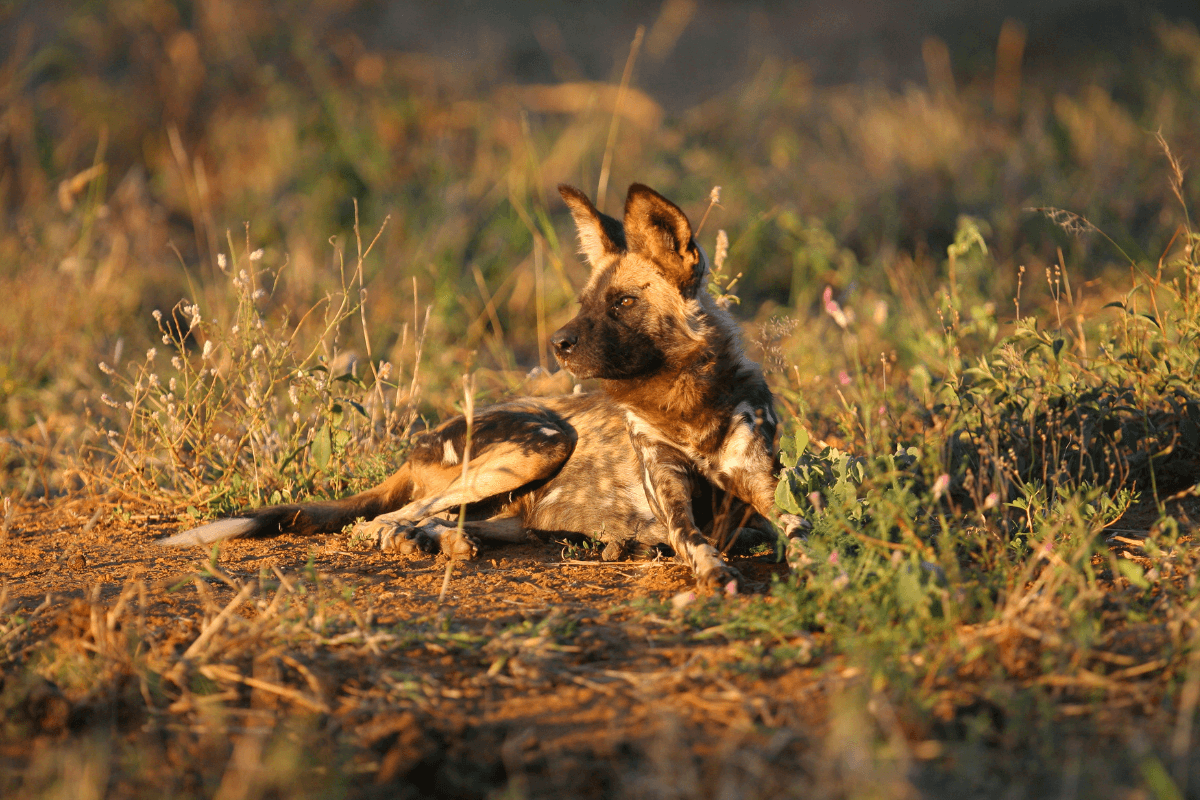
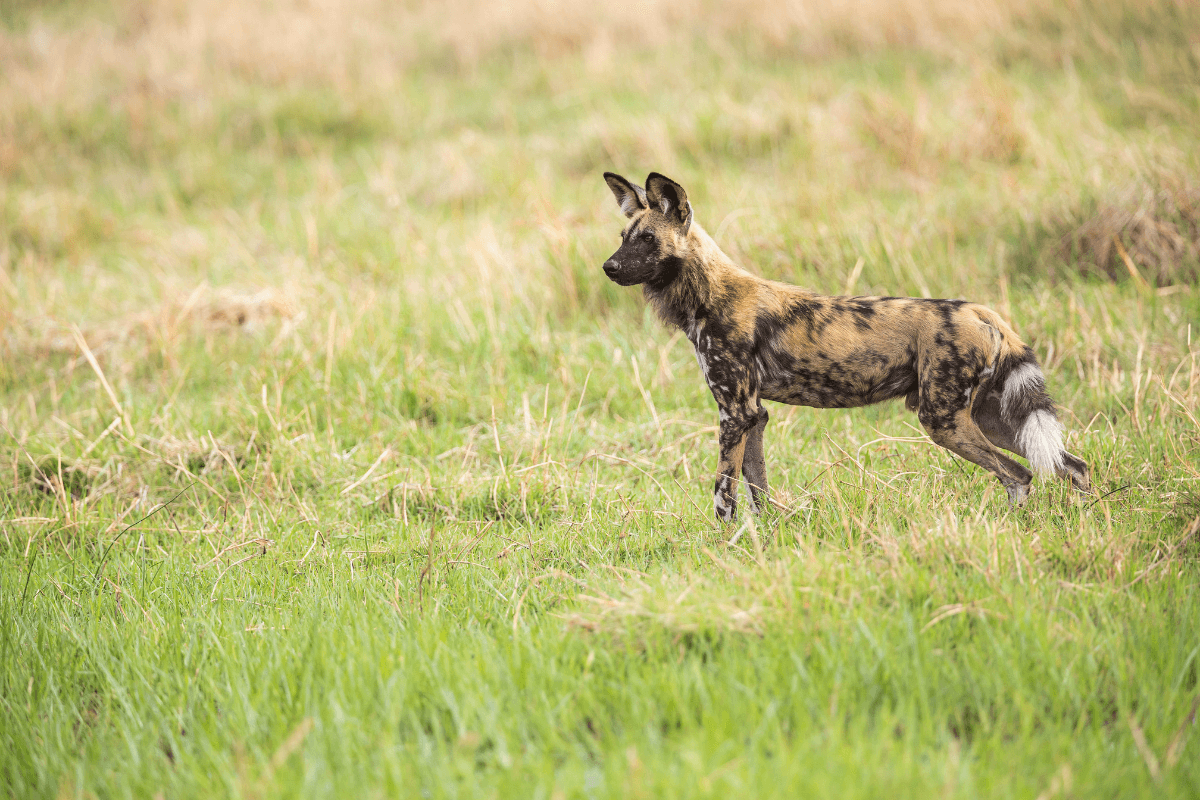
The most efficient large predator in Africa with an 80% hunt success rate, far outperforming lions or leopards. Lycaon pictus, the 'painted wolf', is critically endangered and every sighting counts. Their cooperative pack behaviour is among the most complex of any carnivore.
Behaviour & Facts
Life in the Wild
Pack Hunters
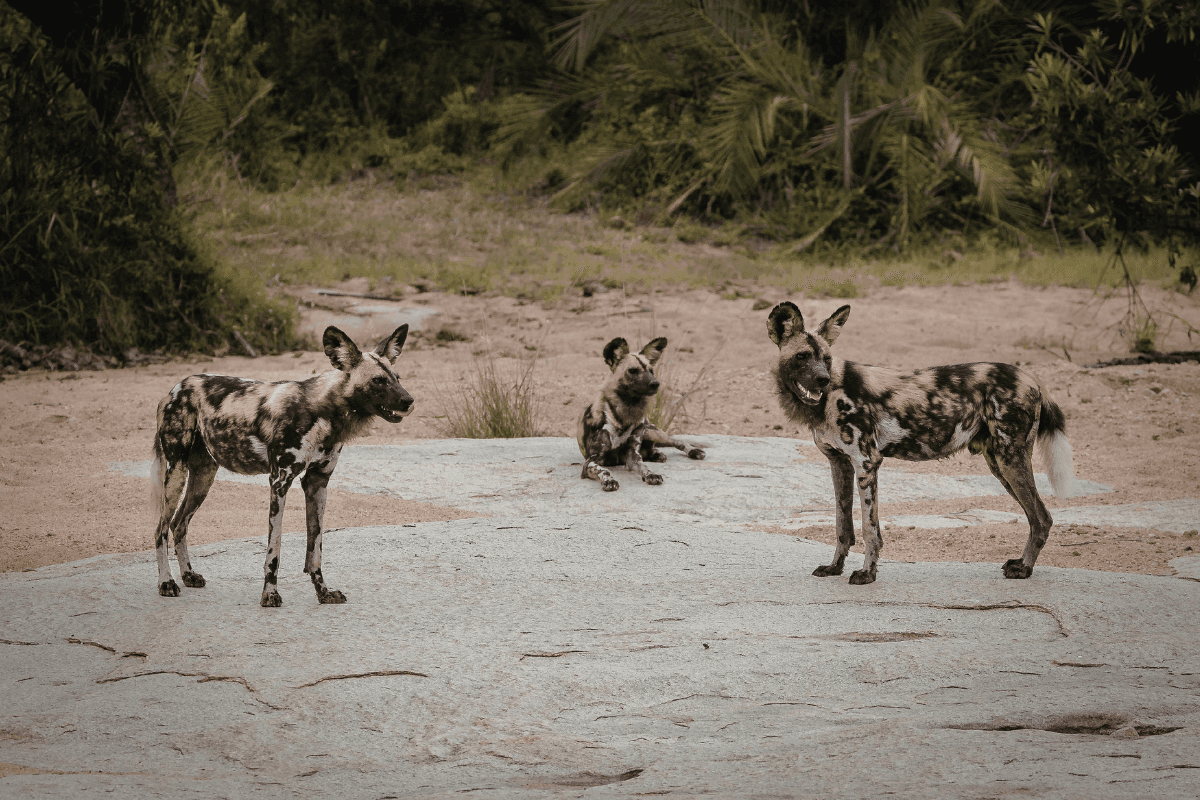
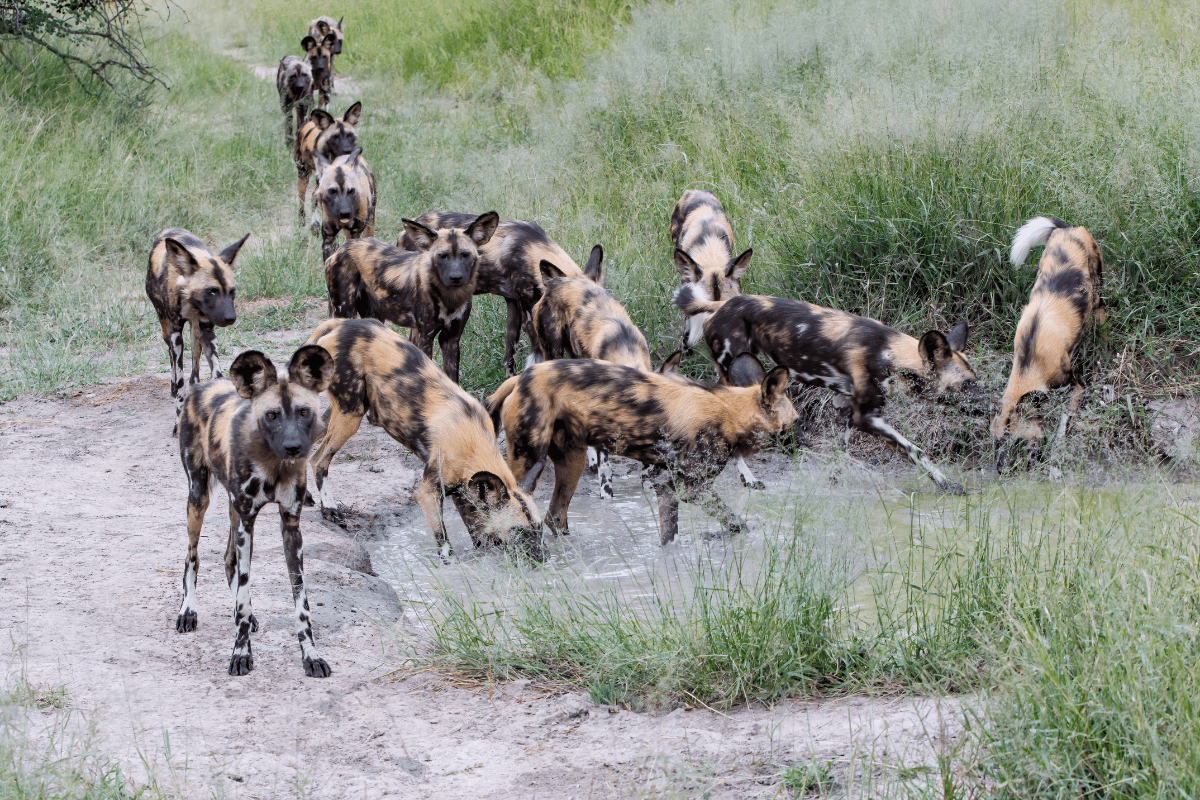
African wild dogs are the most efficient large predators on the continent, with an 80% hunt success rate that puts lions and leopards to shame. Packs of 6 to 20 adults work in tight coordination, staying silent until the chase begins. A dominant breeding pair leads each pack, but the real coordination happens through eye contact, body language, and rapid chittering calls. What makes them lethal is discipline. Every member knows its role. They communicate constantly during a hunt without making a sound that could alert prey, then explode into action as a synchronized unit.
Social Bonds
Wild dog society runs on a simple rule: pups eat first. At every kill, the pack lets the youngest feed before any adult takes a bite. Members regurgitate food for injured or sick packmates who cannot hunt, and they actively tend each other's wounds. The greeting ceremony, a frenzied burst of twittering and face-licking, reinforces bonds before every hunt. When the pack needs to decide whether to move out, they vote by sneezing. Enough sneezes and the hunt is on. It is one of the few known democratic systems in the animal world.
Conservation Status
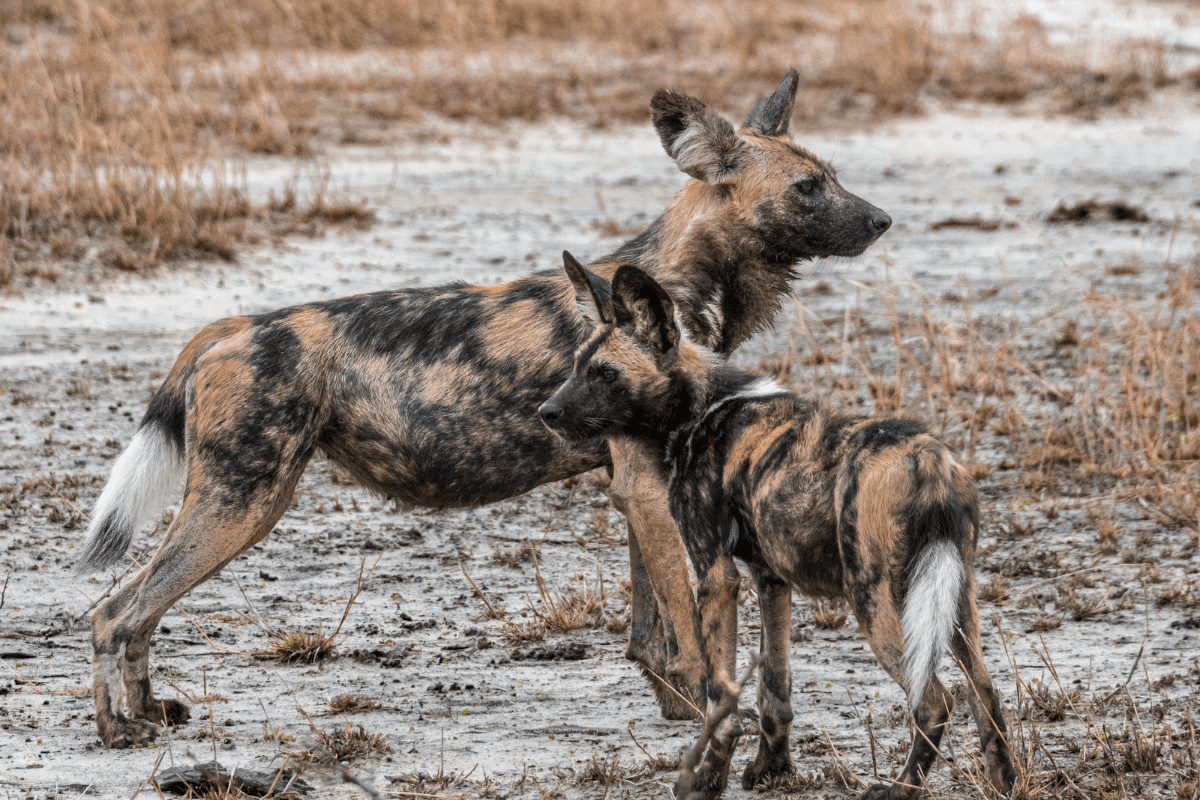
Fewer than 7,000 African wild dogs remain in the wild, making them one of Africa's most endangered large carnivores. Their scientific name, Lycaon pictus, means 'painted wolf,' and they are genuinely unique: four toes instead of five, their own genus, and three million years of separate evolution from any other canid. Throughout the 20th century they were shot as vermin across much of their range. Each pack needs over 500 square kilometres, which puts them in constant conflict with human land use. In Tanzania, the southern reserves of Nyerere and Ruaha offer the most reliable sightings, though packs occasionally move through the Serengeti.
Where to See
African Wild Dog in Tanzania
Common Questions
Frequently Asked
In the Field
Photography Tips
Use burst mode at 1/2000s or faster to capture the pack in full sprint. The chaos of a coordinated hunt only lasts seconds, so keep your finger on the shutter the moment they lock onto prey.
Get tight on the coat with a long lens to fill the frame with their unique painted markings. No two wild dogs share the same pattern, so every close-up is a one-of-a-kind shot.
At the den site, pups wrestle and tumble nonstop. Shoot wide open to isolate one pup from the scrum and let the background blur into soft earth tones.
Arrive early and sit quietly near a known den. The pack returns to greet pups with frantic energy, and that reunion moment gives you expressive faces and dynamic body language all in one frame.
From Our Guests