CREATE YOUR LEGEND | 2026-2028 dates available | SECURE YOUR PLACE WITH JUST £100 DEPOSIT
Tanzania Wildlife
African Rock Python
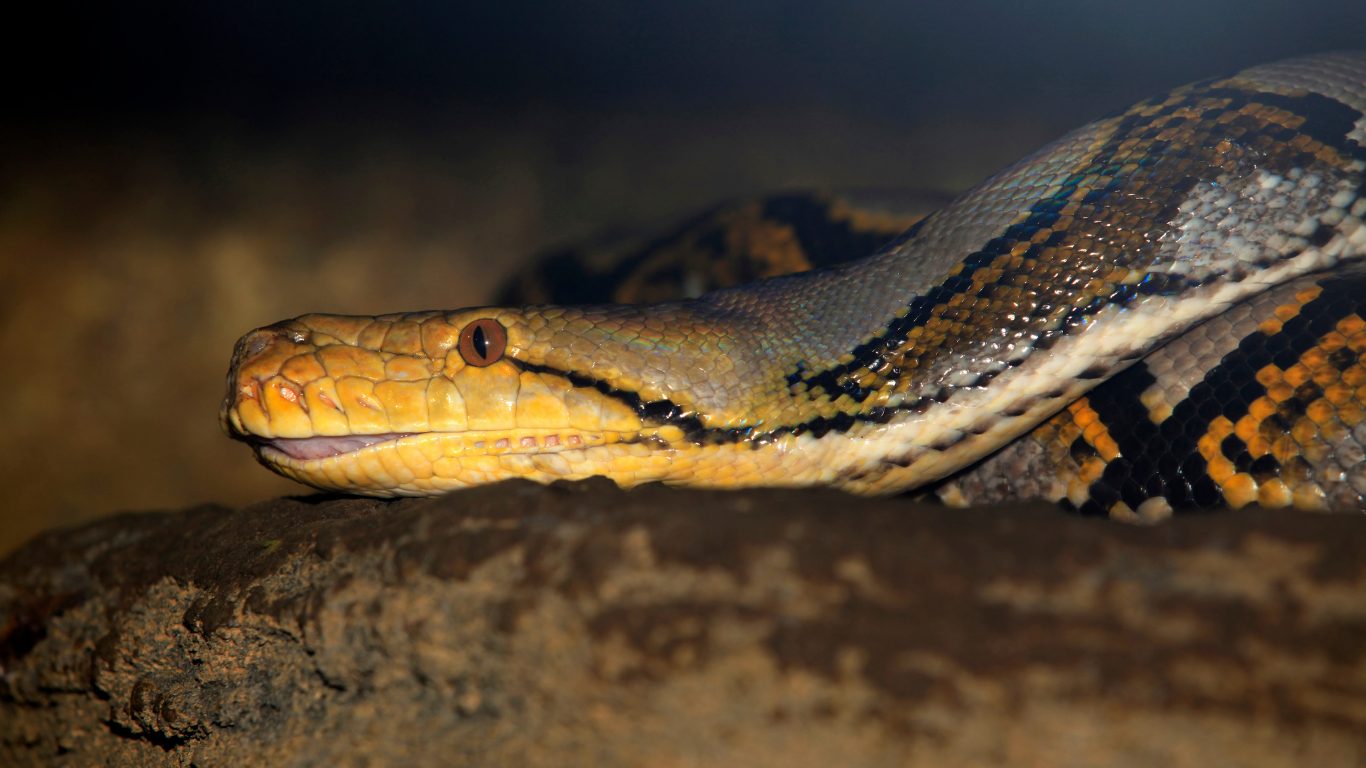
The African rock python is the largest snake in Africa, a powerful constrictor capable of reaching 6 metres. Sightings on safari are uncommon and always cause a stir, whether the snake is coiled on a kopje or crossing a dusty track.
Behaviour & Facts
Life in the Wild
Africa's Largest Snake
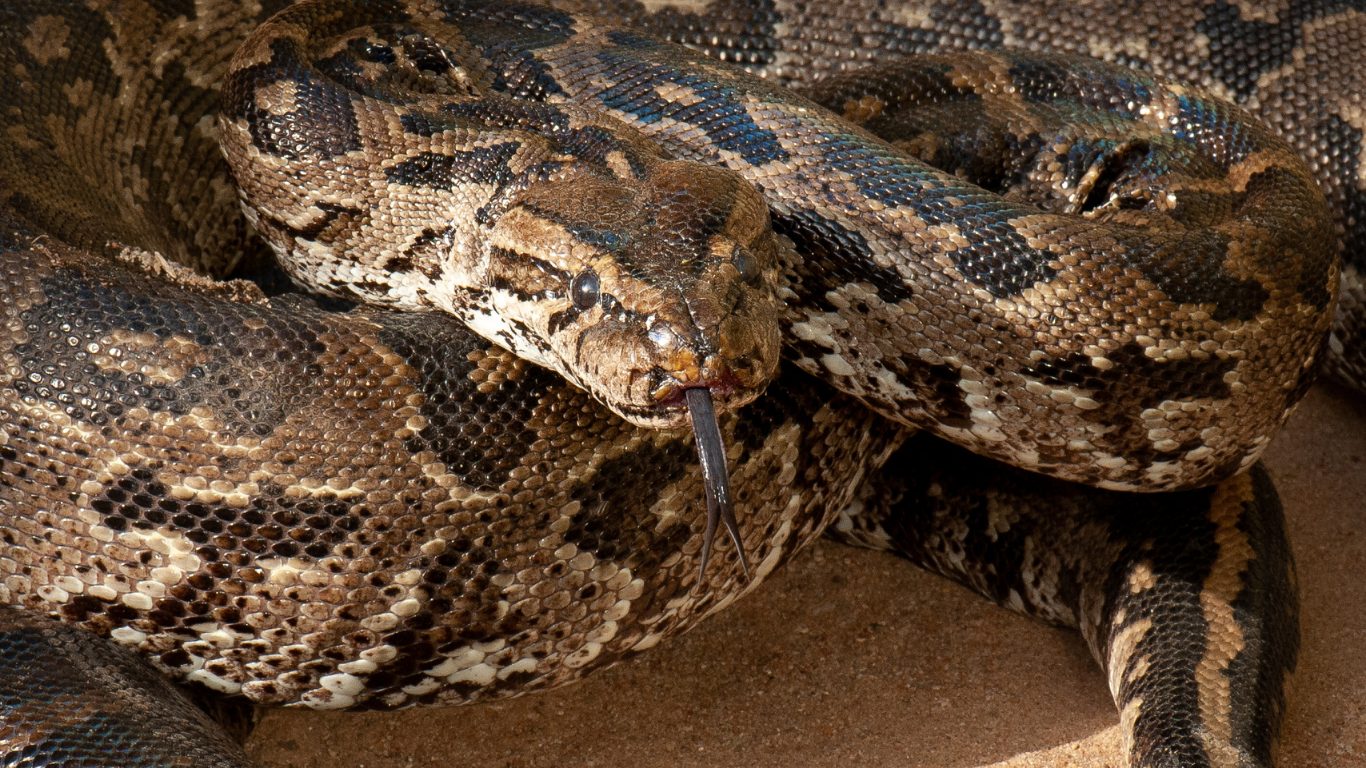
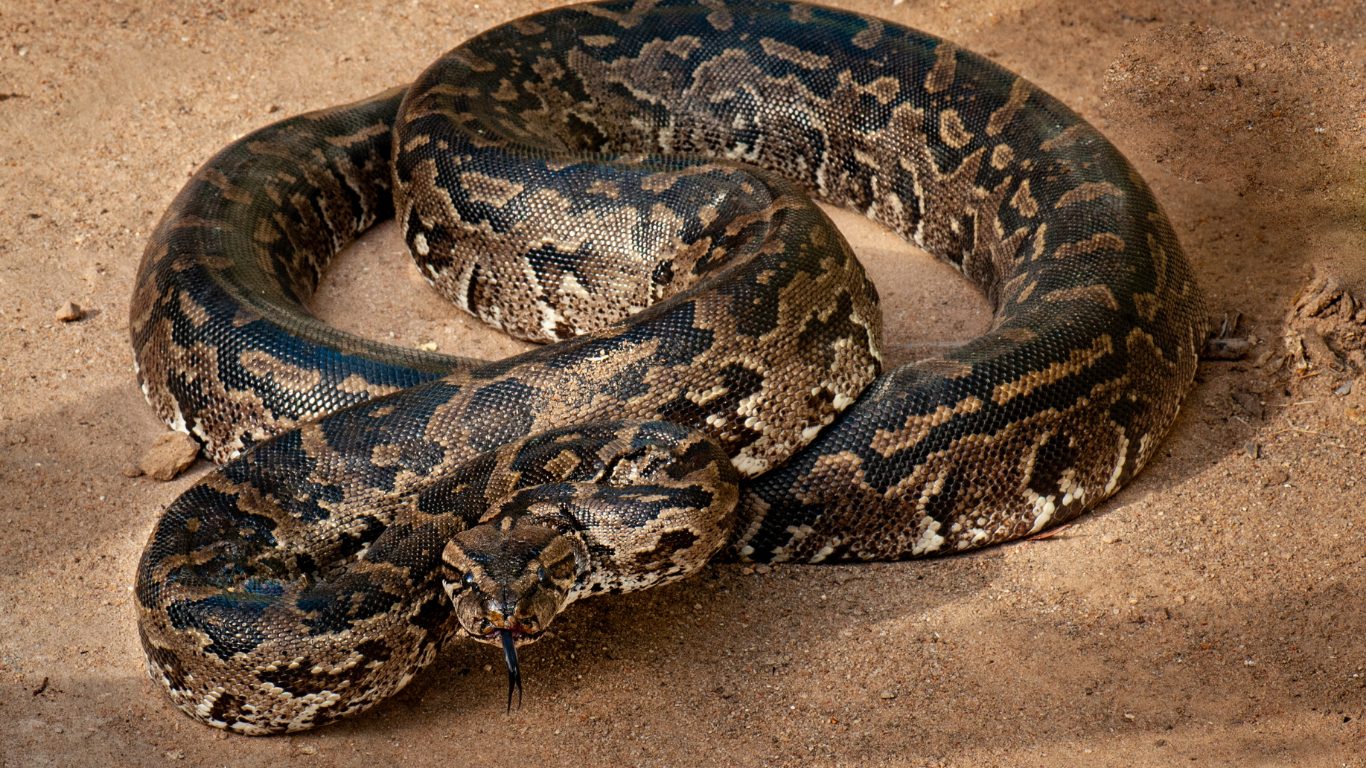
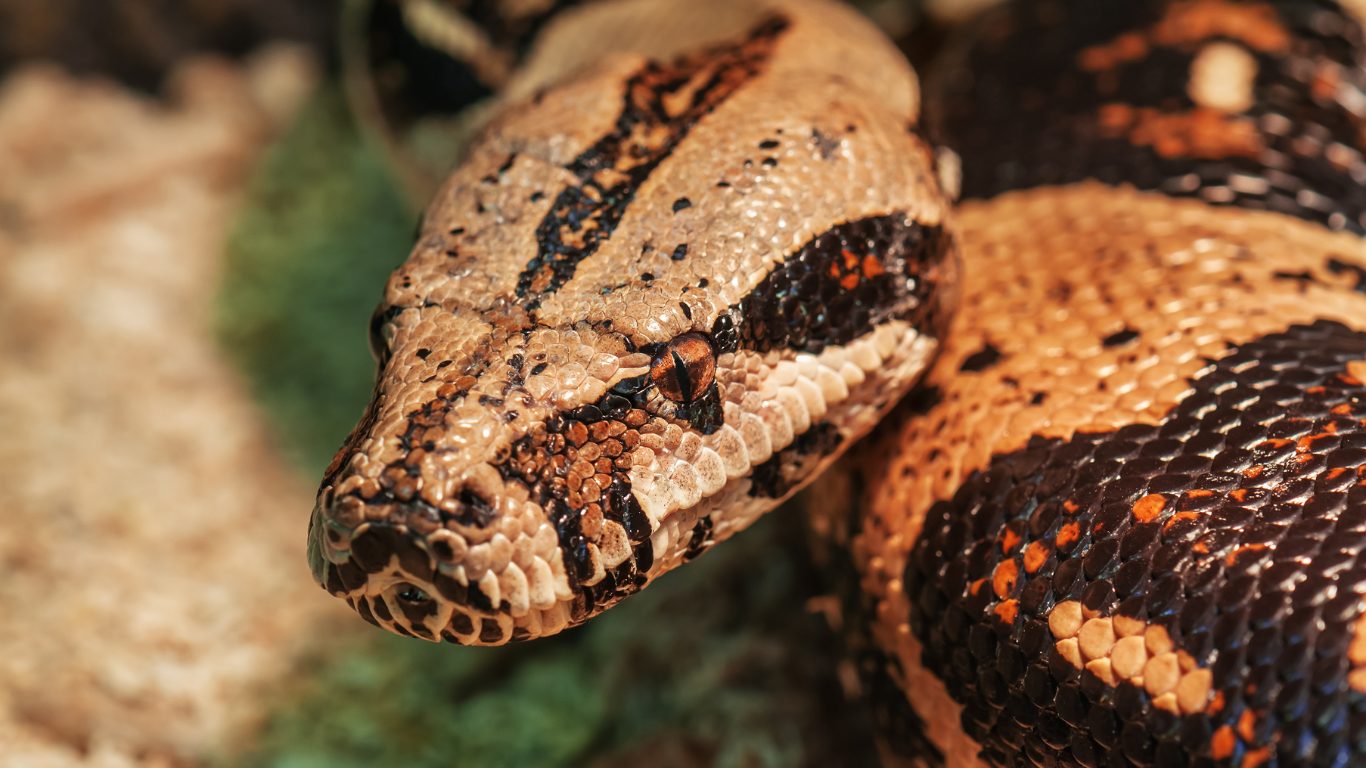
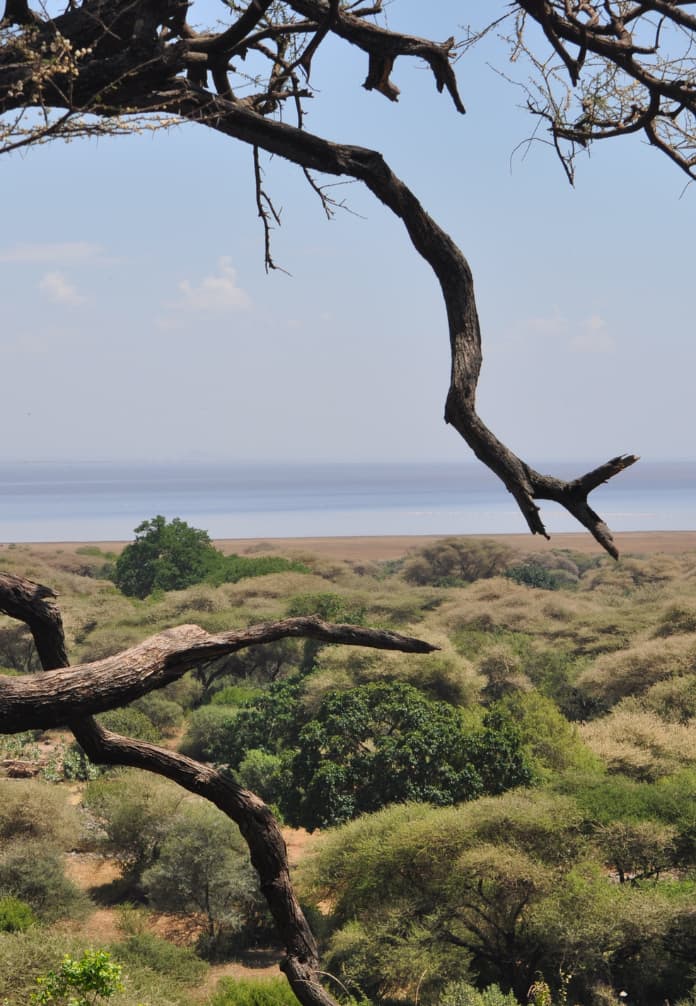
The African rock python is a heavyweight among the world's snakes. In Tanzania, individuals regularly exceed 4 metres, and the species holds records beyond 6 metres in length. Their brown and olive patterning with irregular blotches provides excellent camouflage against rocky substrates and dry savanna ground. The triangular head is distinct from the thick neck, and a dark spearhead marking between the eyes is a reliable identification feature. They occur across a range of habitats in Tanzania's northern circuit, from the granite kopjes of the Serengeti to the riverine corridors of Tarangire and the wooded shores of Lake Manyara. They need access to water and prey concentrations, so areas where game gathers near rivers and pools are the best places to look for them.
Ambush and Constriction
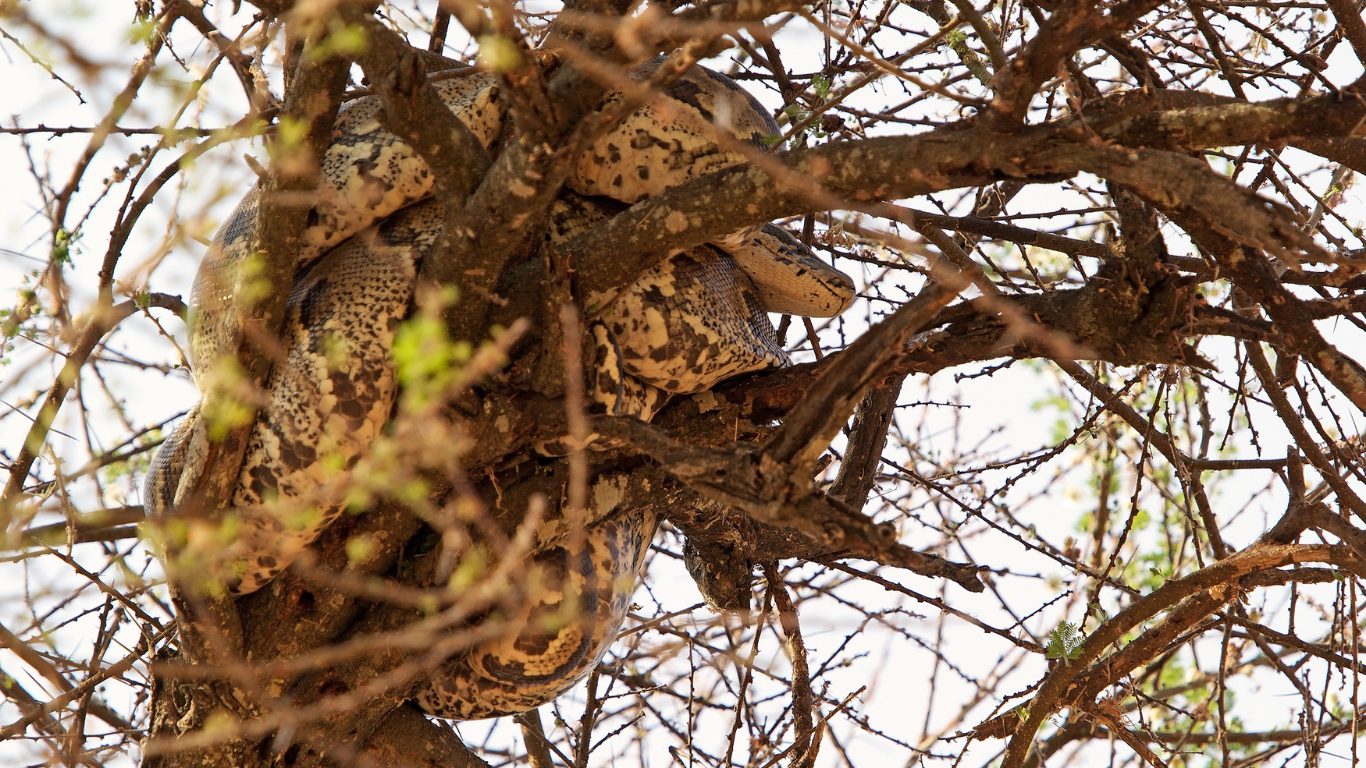
Rock pythons are sit-and-wait predators. They select an ambush position along a game trail, near a waterhole, or at the entrance to a burrow, and wait with extraordinary patience. When prey comes within range, the strike is fast and the coils follow immediately. The python wraps around the animal and constricts, tightening each time the prey exhales until breathing stops entirely. Their prey list is broad. Juvenile pythons eat rodents, frogs, and small birds. Adults take impala, young warthogs, dik-diks, hyraxes, and monkeys. Exceptionally large individuals have been recorded consuming young crocodiles and small antelope. Digestion of a large meal can take several weeks, during which the python remains inactive and vulnerable.
Reproduction and Growth
Female rock pythons lay large clutches of 20 to 100 eggs, typically in an abandoned burrow, termite mound, or rock crevice. The female coils around the eggs for the entire incubation period of 65 to 80 days, shivering her muscles to generate heat when temperatures drop. She does not eat during this time and loses significant body condition. Hatchlings emerge at around 45 to 60 centimetres and are immediately independent. They face heavy predation from birds of prey, honey badgers, and monitor lizards. Growth is rapid in the first few years if food is plentiful. Sexual maturity is reached at around 3 to 5 years, depending on food availability and conditions. In the wild, rock pythons can live for 20 years or more.
Where to See
African Rock Python in Tanzania
Common Questions
Frequently Asked
In the Field
Photography Tips
Rocky outcrops in the Serengeti are prime basking sites. Scan the rocks slowly with binoculars before approaching for a photograph.
A tight crop on the head shows the heat-sensing pits and intricate scale pattern. Use a telephoto lens and keep a safe working distance.
When a python is coiled and basking, pull back to show the full body. The sheer mass of a large individual tells the story better than a head portrait alone.
If the snake is crossing a road or track, use a fast shutter speed to capture the flowing movement. The S-shaped locomotion pattern makes for a dynamic composition.
From Our Guests