CREATE YOUR LEGEND IN 2026 | SECURE YOUR PLACE WITH JUST £100 DEPOSIT | PAYMENT PLANS AVAILABLE

VIEW DATES

African Fish Eagle

Rivers, lakes, dams and wetlands with tall perching trees

Habitat

Year round

Best Viewing Season

Least Concern

Conservation Status

Introduction

With its white head, piercing cry and feet-first fish strikes, the African fish eagle is the defining raptor of Tanzania's waterways. Pairs hold permanent territories along lake shores and rivers, launching from tall perch trees to snatch fish in a single explosive pass. Lake Manyara is the premier northern circuit location.

Behaviour & Facts

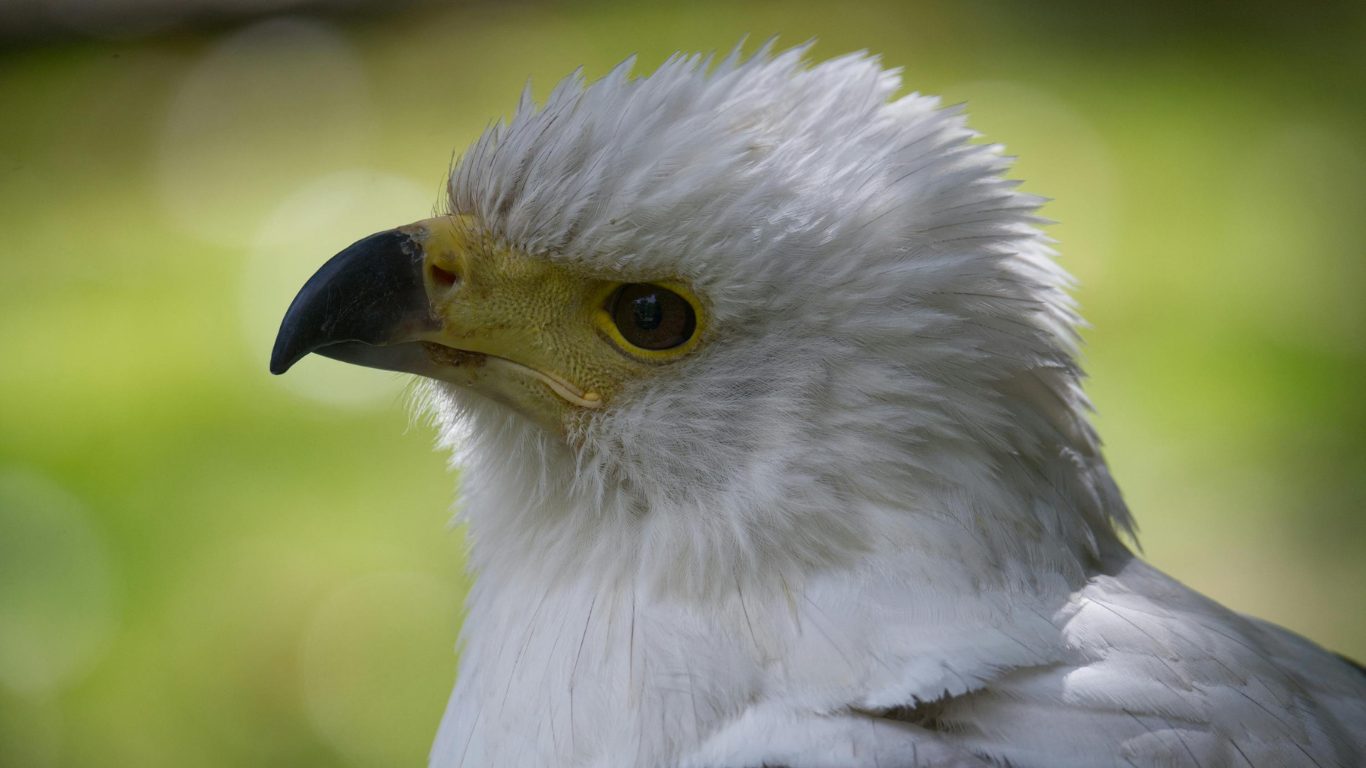
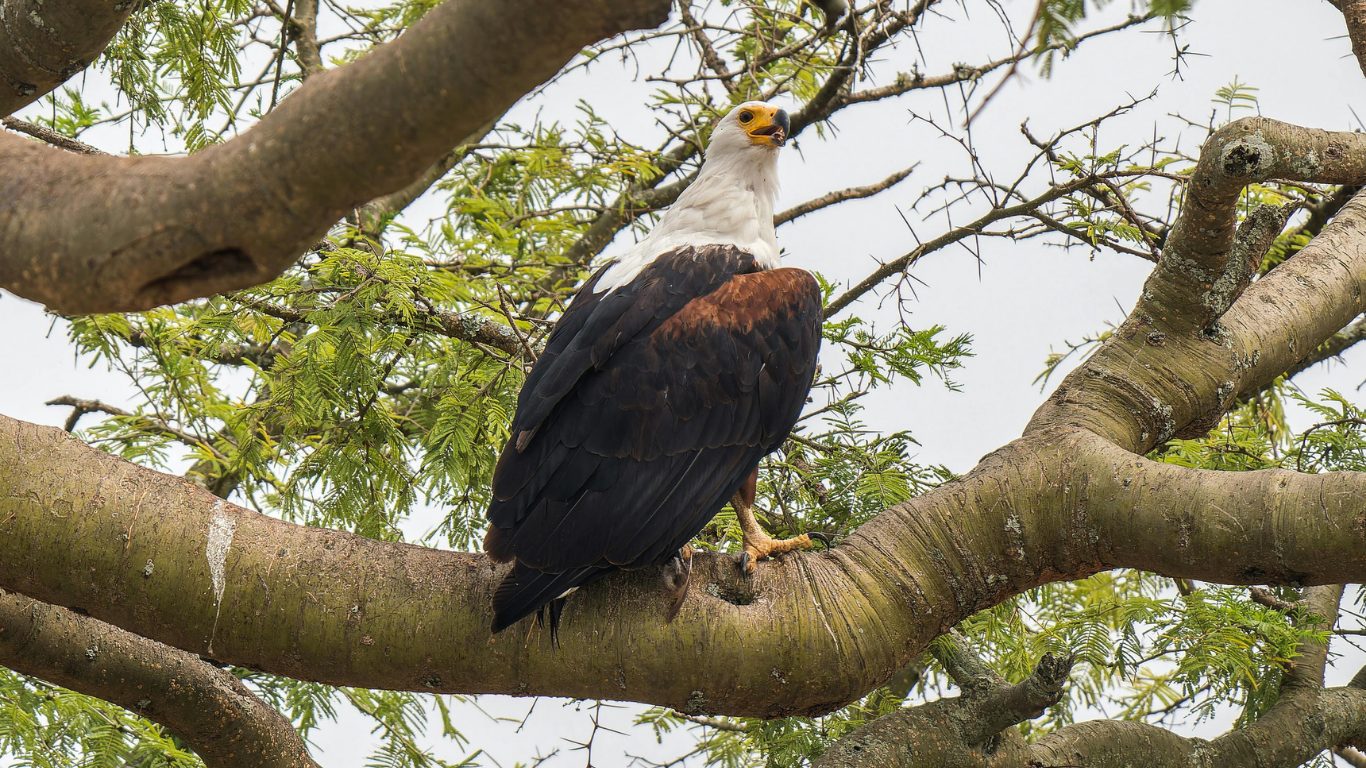
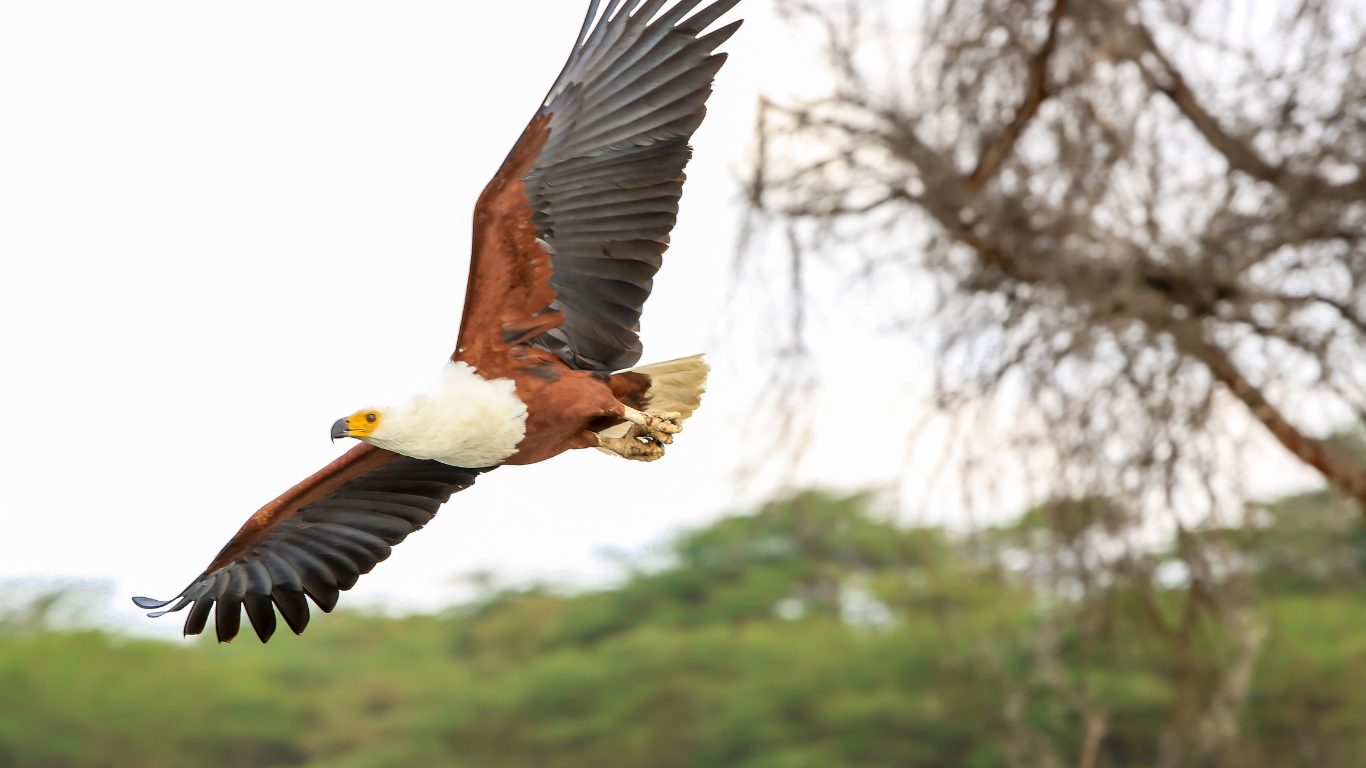
The African fish eagle is the most recognisable raptor in East Africa. The combination of a white head and chest, chestnut belly and black wings makes it unmistakable, and its piercing call, a wild yelping cry thrown with the head tilted back, is one of the defining sounds of the African waterside. Fish eagles are specialised hunters. They perch in tall trees along rivers and lake shores, scanning the water surface below. When a fish comes close enough to the surface, the eagle launches from the perch, drops feet first, and snatches the fish from the water with powerful talons in a single pass. The strike happens at speed and the entire sequence from launch to catch takes less than three seconds. They are territorial and pairs hold stretches of shoreline or lake edge that they defend year round. Nests are massive stick platforms built in tall trees near water and are reused and added to every season. Some nests grow to over two metres across after years of additions.

You hear the fish eagle before you see anything else at the lake. That call means water, and water means life.

You hear the fish eagle before you see anything else at the lake. That call means water, and water means life.

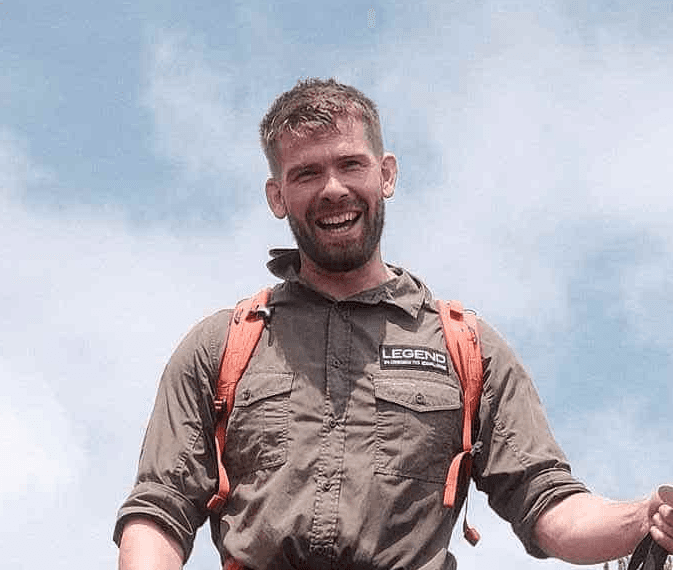
Jack Fleckney - Legend Head Guide

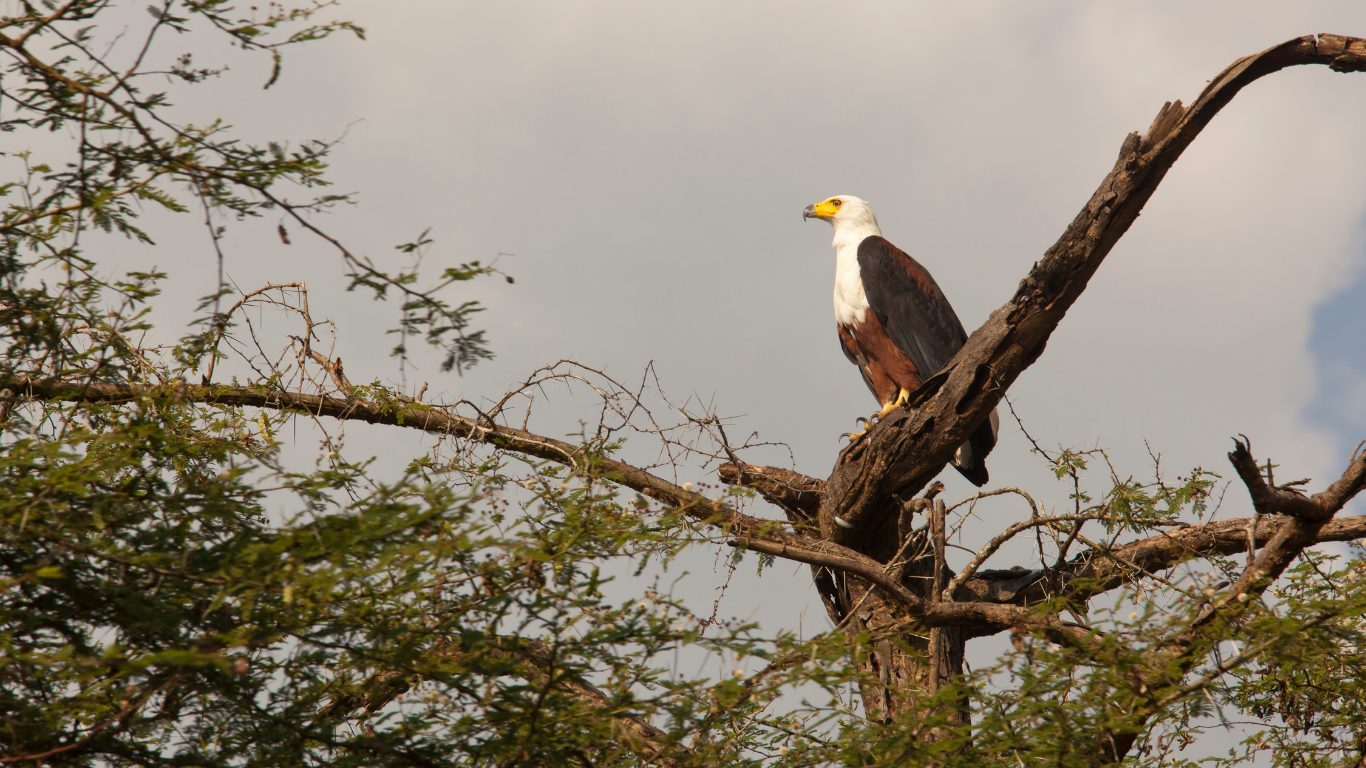
Despite the name, fish eagles do not eat only fish. They are opportunistic and also take flamingos, ducks, monitor lizards, frogs and carrion. They have been observed pirating catches from other birds, including herons and storks, forcing them to drop their prey mid flight and swooping in to grab it. Their eyesight is extraordinary, roughly eight times more acute than human vision, which allows them to spot fish movement from a perch 50 metres above the water. The talons are rough scaled on the underside to grip wet, slippery fish, an adaptation shared with osprey but not with most other eagles. On the northern circuit, Lake Manyara is the strongest location. The lake shore and the rivers feeding into it provide ideal hunting territory. Arusha National Park's Momella Lakes also hold fish eagles, and they can be found along the larger rivers of the Serengeti and Tarangire during the wet season.

Where to see

African Fish Eagle

in Tanzania

Lake Manyara National Park

Lake Manyara National Park

Lake Manyara National Park

Arusha National Park

Arusha National Park

Arusha National Park

Tarangire National Park

Tarangire National Park

Tarangire National Park

Where to see fish eagles in Tanzania?

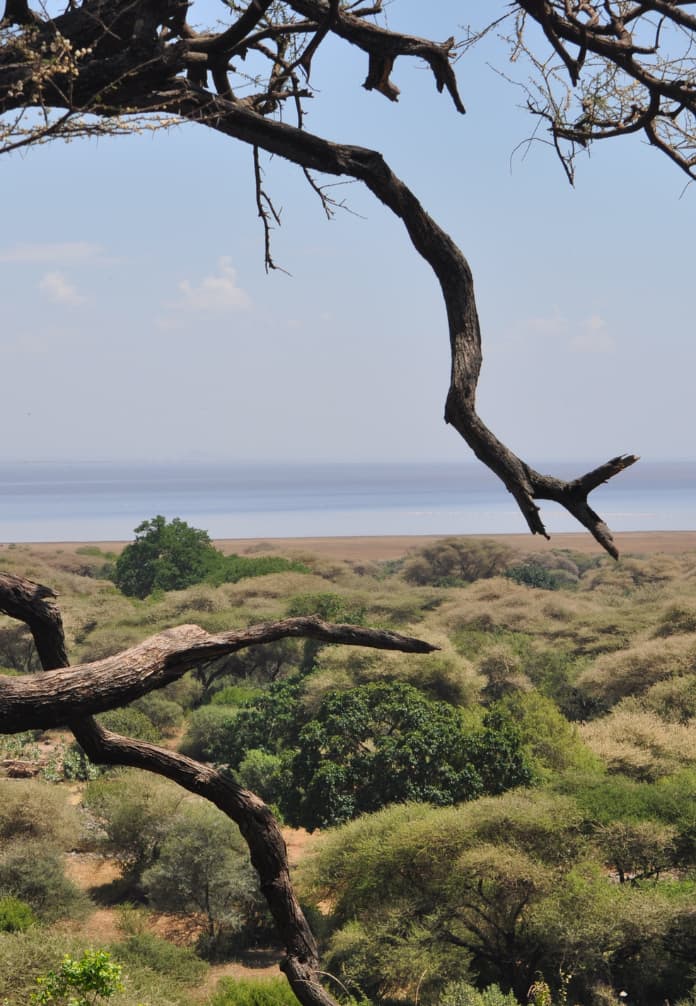
Lake Manyara National Park offers the most reliable sightings because the permanent lake shore provides ideal habitat. Arusha National Park's Momella Lakes also hold resident pairs. In the Serengeti and Tarangire they are present along larger rivers but less predictable. Any water body with tall perching trees is potential territory.

Can you watch a fish eagle catch fish?

Yes, and it is one of the most dramatic hunting events you can witness on safari. The eagle drops from a perch, extends its talons, and snatches a fish from the surface in a single high speed pass. A morning spent near a known perch at Lake Manyara gives you a realistic chance of seeing a strike.

What does a fish eagle sound like?

The call is a loud, wild, yelping cry given with the head thrown back. It carries across open water for more than a kilometre. It is one of the most evocative sounds in the African bush and is widely considered the signature call of the continent's waterways.

Do fish eagles eat only fish?

No. While fish make up the majority of their diet, they also take flamingos, ducks, monitor lizards, frogs and carrion. They are known to pirate catches from herons and storks, forcing them to drop prey in mid flight. They are opportunistic and adaptable hunters.

How big are African fish eagles?

Females are larger than males, with a wingspan of around two metres and a body weight of roughly 3.5 kilograms. Males are slightly smaller at around 2.5 kilograms. They are mid sized eagles, smaller than a martial eagle but larger than most other raptors you will see on a Tanzania safari.

Are fish eagles related to bald eagles?

Yes, they are in the same genus, Haliaeetus. The African fish eagle and the American bald eagle are close relatives that share similar hunting strategies, white head markings and waterside habitats. The resemblance is not coincidental. They diverged from a common ancestor and both specialised in fishing.

Our clients

Our clients

Photos

Photos

Photography Tips

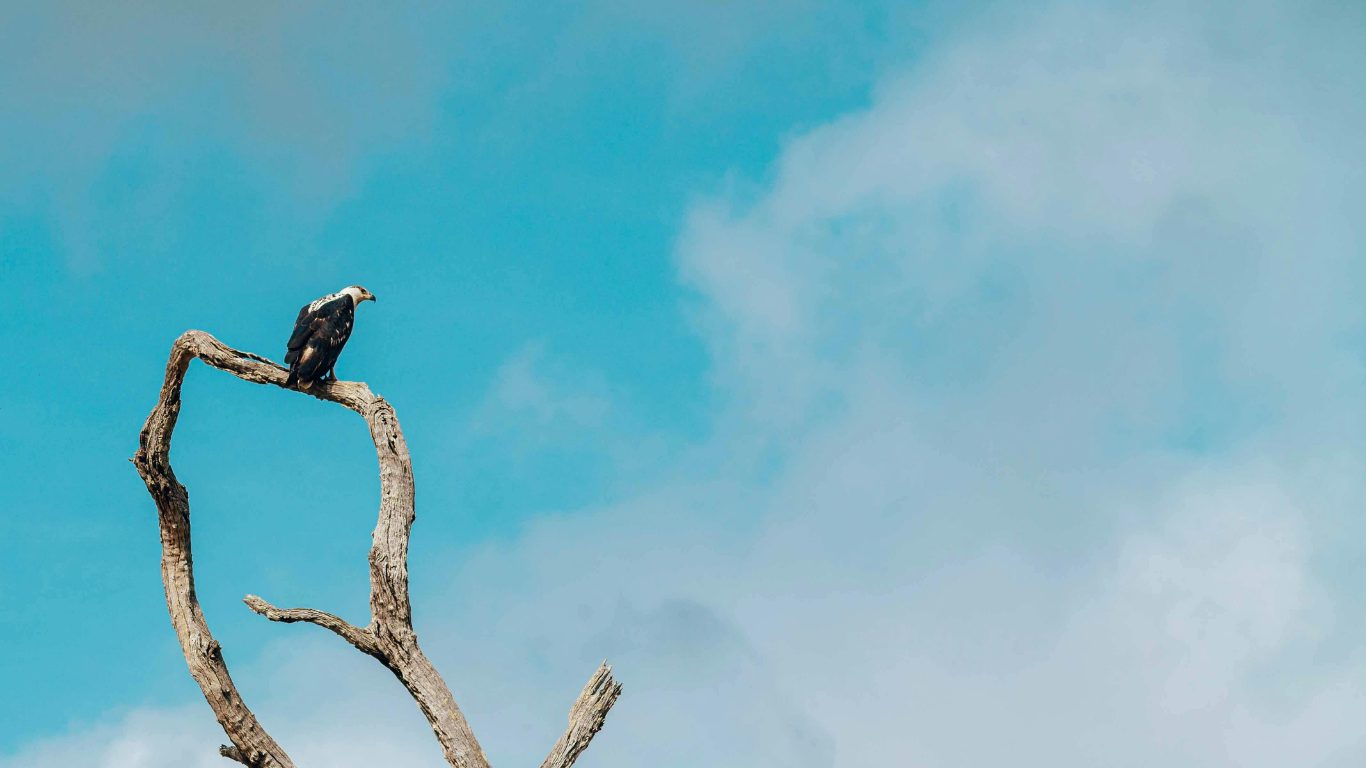
The strike. Capturing the moment of impact as an eagle snatches a fish from the water is one of the great wildlife photography challenges. Pre-focus on the water surface near the perch tree, use burst mode and a fast shutter speed of at least 1/3000th, and be ready before the eagle launches. Perched portrait. A fish eagle sitting upright on a dead tree branch against a blue sky or calm lake is a clean, strong image. Wait for the head turn toward you. The call. Fish eagles throw their heads back when calling. This posture with the white head against a dark body is distinctive. Use a long lens and be ready because the call lasts only a few seconds. Pair on nest. If you find a nesting pair, the two birds together on the massive stick platform make a strong environmental portrait. Include the water and landscape behind.

Start planning your safari

We reply within 24 hours. No hard sell, ever.

I have spent years guiding expeditions across Tanzania and personally design every Legend safari itinerary.


If you have questions about what you will see, when to go, or how to make the most of your time in the field, just ask. No hard sell. Just honest advice from someone who loves this place.

Jack Fleckney

Head Guide & Founder

We reply within 24 hours. No hard sell, ever.

Start planning your safari