CREATE YOUR LEGEND IN 2026 | SECURE YOUR PLACE WITH JUST £100 DEPOSIT | PAYMENT PLANS AVAILABLE

African Elephant
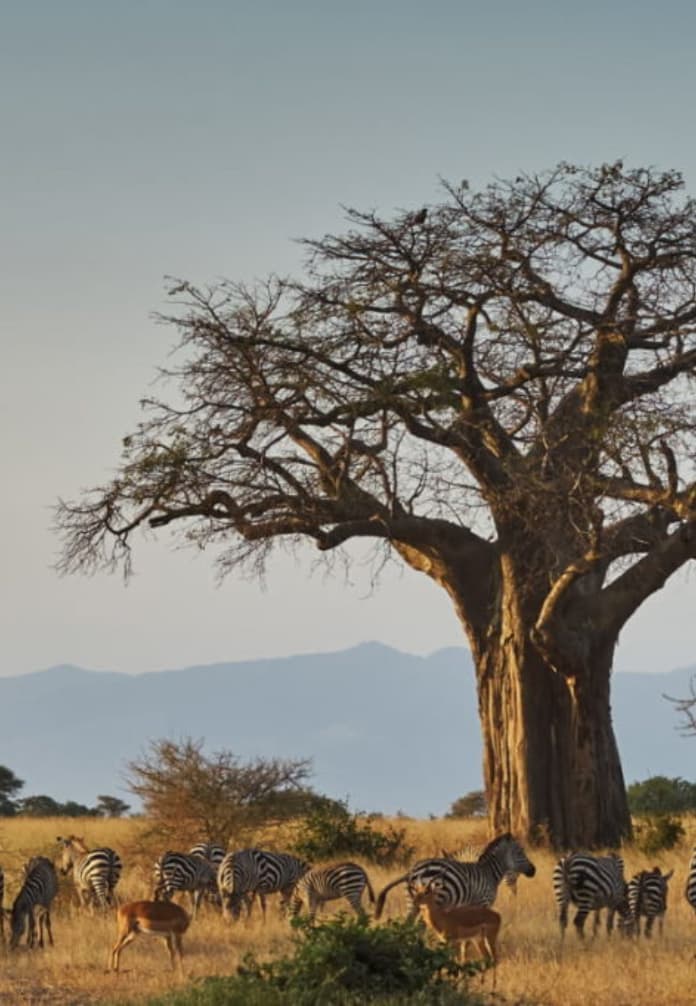
Acacia woodland, baobab country, floodplains and forest
Habitat
June to October
Best Viewing Season
Endangered
Conservation Status
Introduction
The largest living land animal, African elephants shape the entire ecosystem they inhabit. In Tanzania's Tarangire and Serengeti, herds move through open savannah in complex family units led by wise matriarchs. Witness the raw power and gentle intelligence of these giants during the dry season when they concentrate around river crossings.
Behaviour & Facts
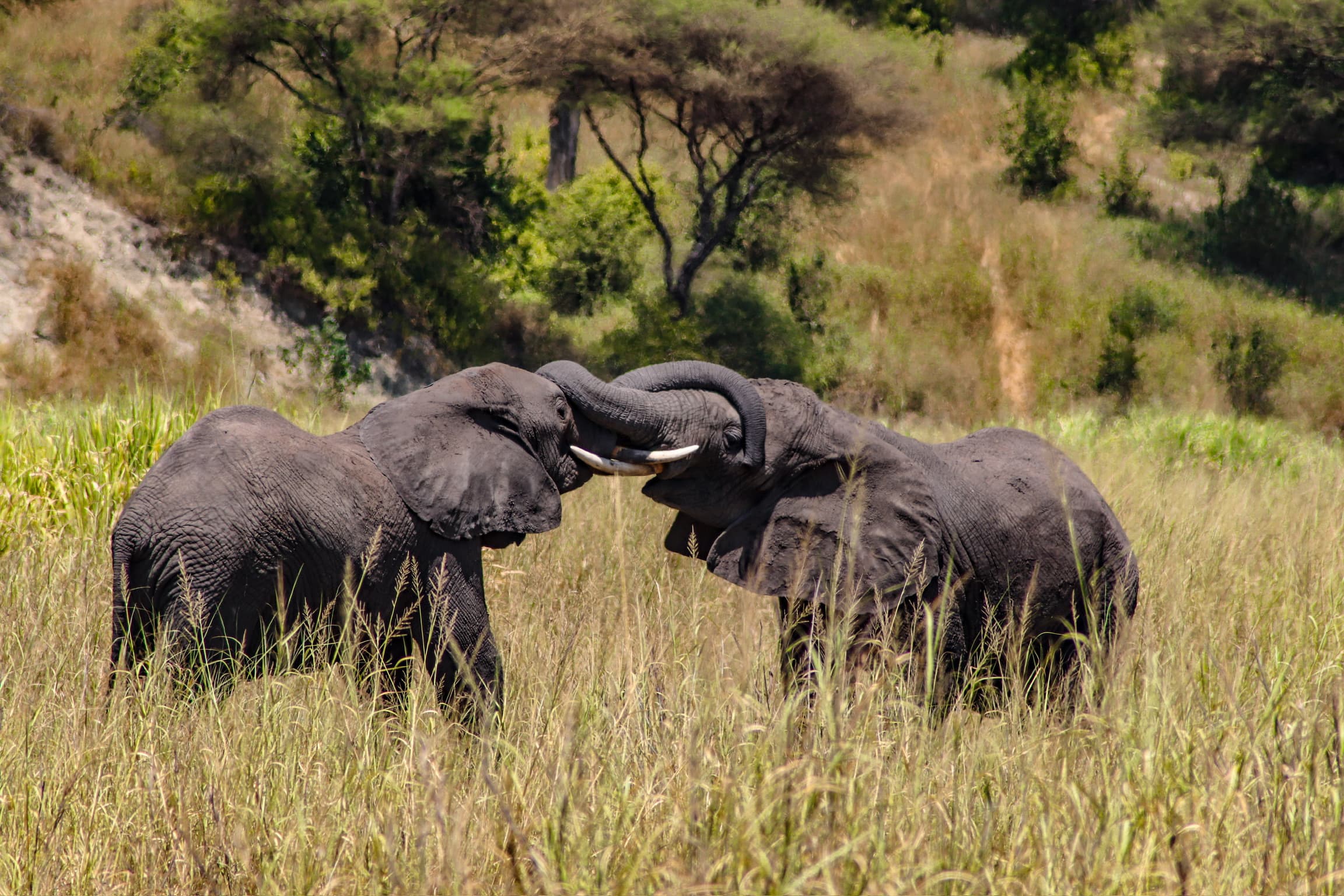
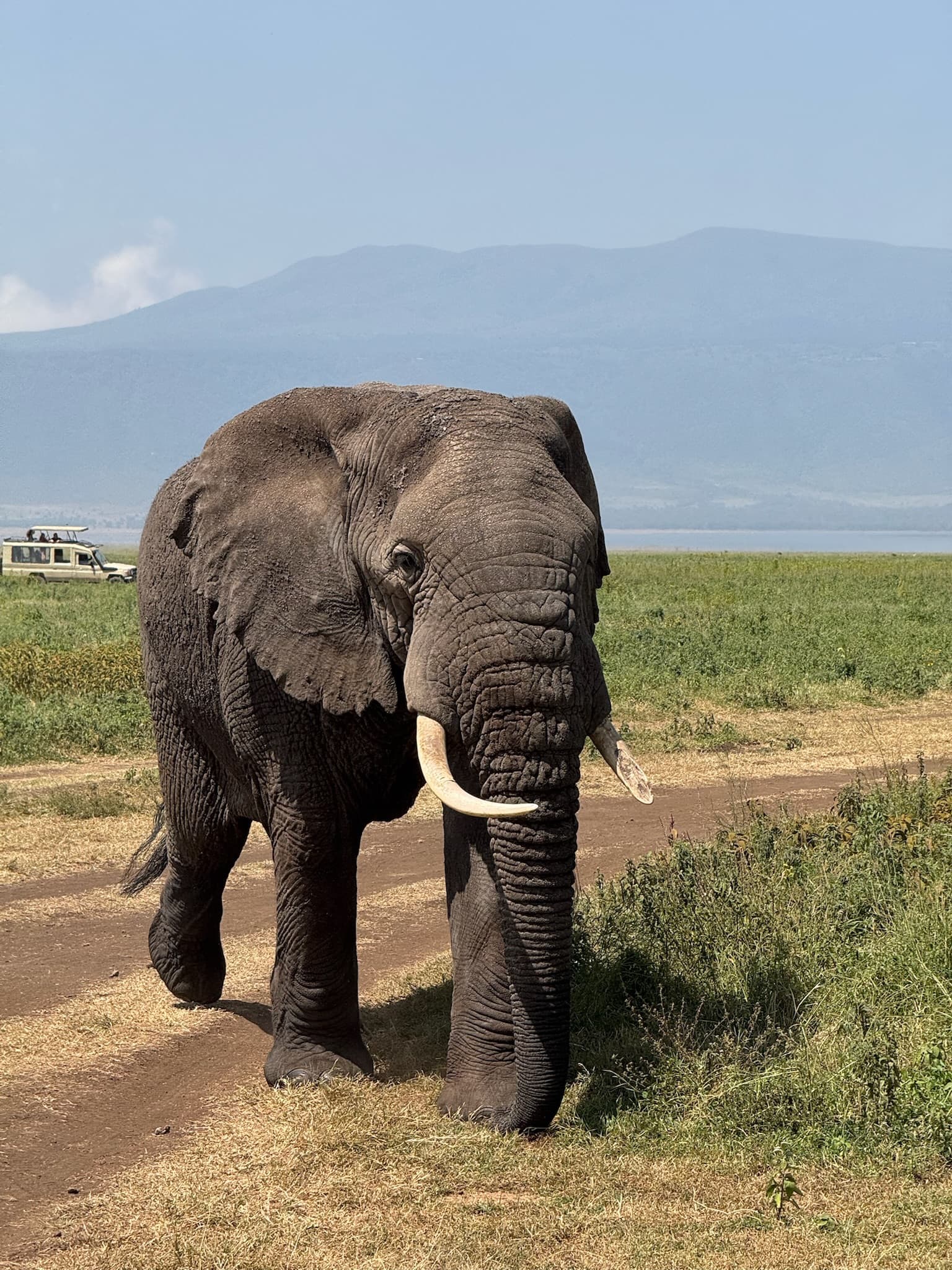
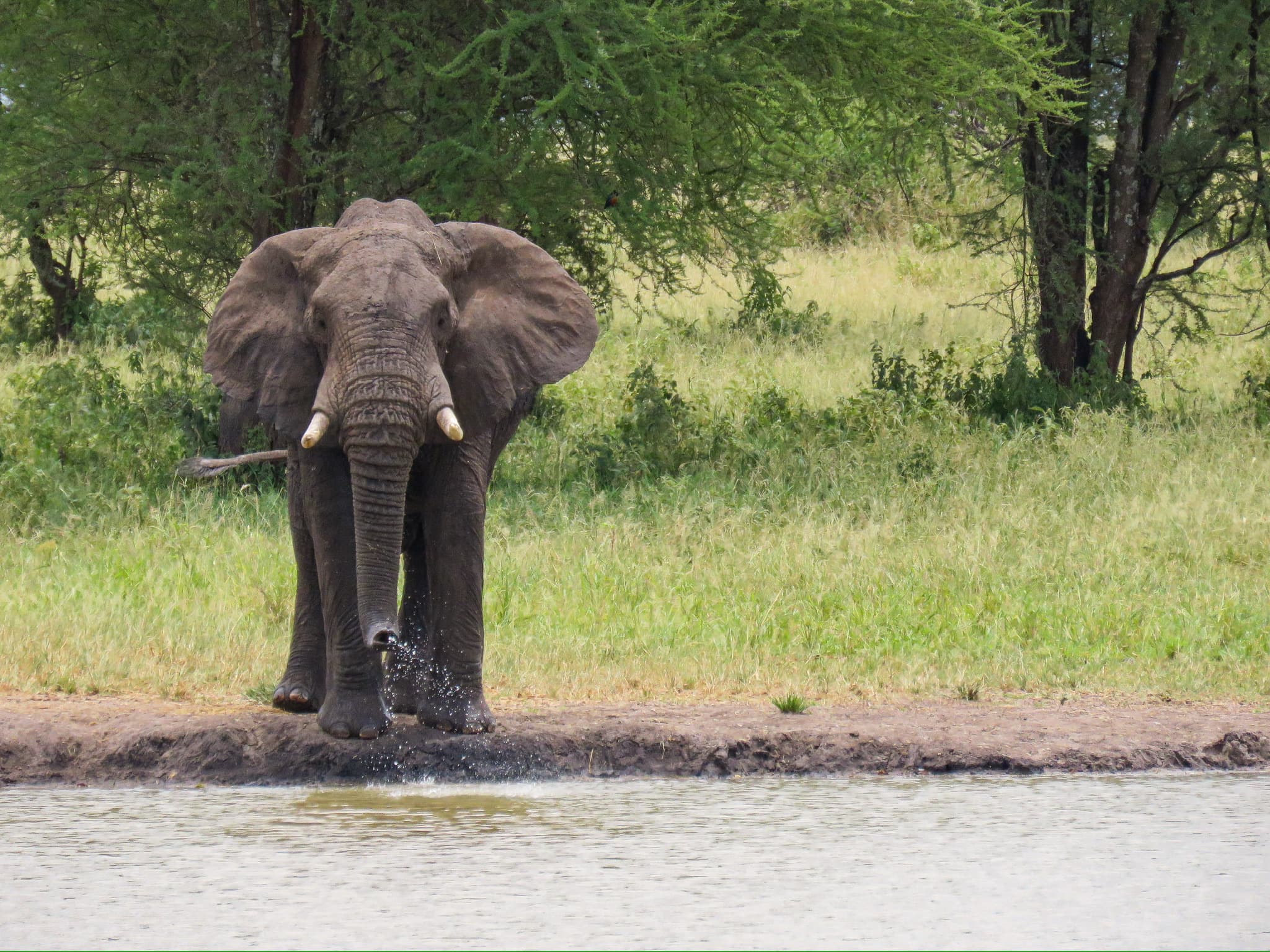
A bull elephant walks straight at the vehicle, stops four metres away, and spreads his ears wide enough to blot out the sky. Your guide's hand drops onto the key, ready. Then the bull takes one slow step to the side, picks a single pod from a sausage tree with the tip of his trunk, and keeps walking. You have just been measured, judged, and dismissed, and you will think about those thirty seconds for a long time. The African elephant is the largest land animal on Earth. An adult bull stands up to 3.5 metres at the shoulder and weighs six tonnes. A single tusk on an old male can weigh more than a fully grown leopard. Yet for all that size, the most surprising thing about spending time with elephants is not their mass but their gentleness. The precision with which a trunk that can uproot a tree can also pluck a single acacia pod from the ground and place it delicately into a calf's mouth. Elephant society is built around related females. A herd is led by a matriarch, usually the oldest female, whose memory holds the map of the entire landscape: where water lies in the dry season, which trees fruit in which month, which paths are safest. When she dies, the next oldest takes over, but her accumulated knowledge can take years to rebuild. Long term studies have shown that herds led by older matriarchs survive droughts better than herds led by younger ones.
Jack Fleckney - Legend Head Guide
Bulls live differently. Young males leave the natal herd at around twelve years old and spend the rest of their lives alone or in loose bachelor groups. The largest bulls enter a periodic hormonal state called musth, during which testosterone levels rise forty times above normal, temporal glands stream dark fluid down the sides of the face, and the bull becomes aggressive and single minded about mating. A bull in musth can be recognised at a distance by the wet streaks on his cheeks and the slow heavy walk. Their intelligence runs deeper than most travellers expect. Elephants recognise themselves in mirrors, use tools, mourn their dead by returning to the bones of lost relatives years later to touch the skulls with their trunks, and communicate across distances of several kilometres through deep infrasonic rumbles that travel through the ground as well as the air. They have a specific alarm call for humans, a different one for bees, and a third for lions. Tanzania's elephants carry one of the heaviest stories in African conservation. The country lost roughly 60 percent of its elephants to poaching between 2009 and 2014, one of the worst ivory crises ever recorded. Since then, improved anti poaching and international ivory bans have stabilised the population and allowed Tarangire in particular to begin recovering. The herds you see there today are the survivors and their children, and the calves you watch in the Tarangire River in October are proof that the story can still change.
Where to see
African Elephant
in Tanzania
Where to see elephants in Tanzania?
Tarangire National Park is the strongest elephant park on the northern circuit and holds the densest dry season herds in the country. The Serengeti and the Ngorongoro Conservation Area also hold strong populations. Legend Expeditions builds Tarangire into most northern circuit itineraries specifically for its elephant viewing.
When is the best time for elephants?
Elephants are resident year round, but the dry season from June to October is the peak. Shrinking water forces herds to concentrate along rivers and waterholes, making sightings easier and more dramatic. In Tarangire the river becomes the single focal point for hundreds of elephants from late August onward.
How dangerous are elephants on safari?
Elephants are extremely intelligent and generally tolerant of vehicles, but they demand more respect than any other animal in the bush. A bull in musth or a mother with a small calf can become genuinely dangerous if approached too closely. Inside a properly managed Legend Expeditions drive the risk is very low.
Why are African elephants endangered?
African savanna elephants were reclassified as Endangered by the IUCN in 2021 after decades of poaching, habitat loss and human wildlife conflict. Tanzania lost around 60 percent of its elephants between 2009 and 2014 during the worst of the ivory crisis. Populations in protected areas have since begun to stabilise.
Can you see newborn elephant calves?
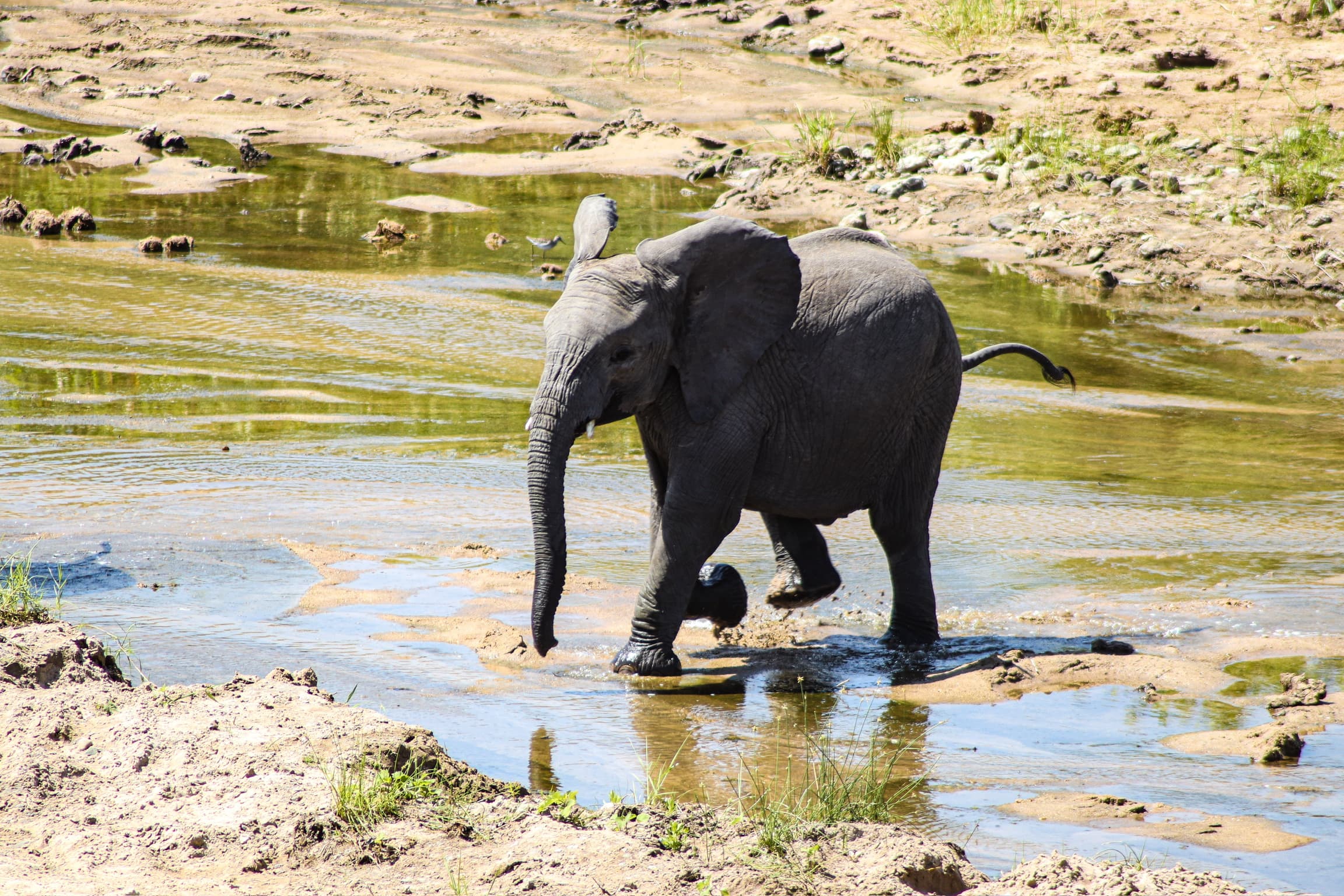
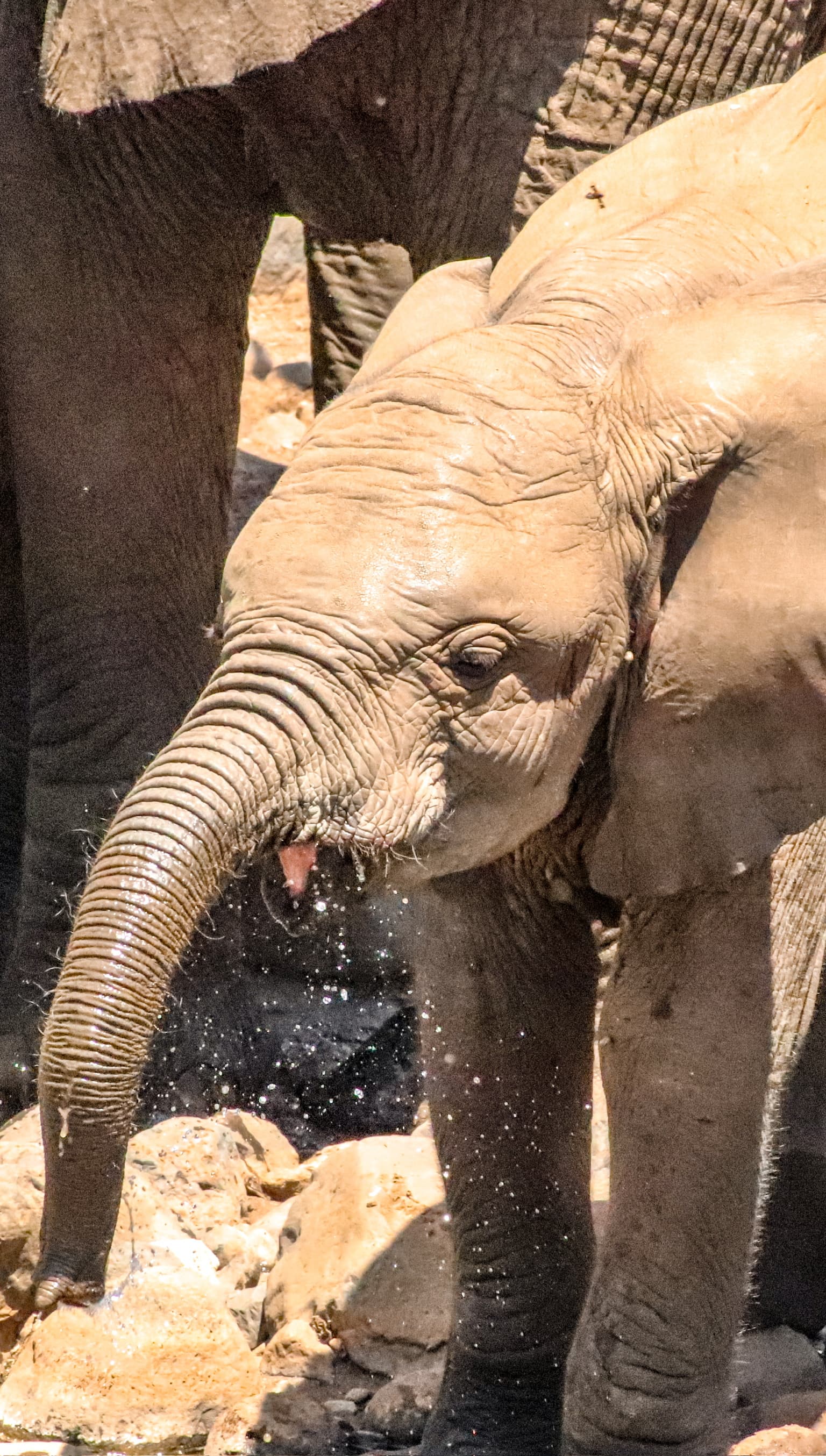
Yes. Elephant calves are born year round in Tanzania, with a slight peak around the rainy season, so there is always a chance of seeing very young calves in any herd you encounter. Tarangire herds regularly include calves of varying ages, and watching a week old elephant learn to use its trunk is one of the best moments on a drive.
How long do elephants live?
Wild African elephants typically live 60 to 70 years. Their lifespan is ultimately limited by tooth wear, because elephants grow six sets of molars over a lifetime and cannot chew tough vegetation once the last set wears down. This is why old elephants seek out soft marsh grasses, and where the elephant graveyard myth originally came from.