CREATE YOUR LEGEND IN 2026 | SECURE YOUR PLACE WITH JUST €100 DEPOSIT | PAYMENT PLANS AVAILABLE
OVERVIEW
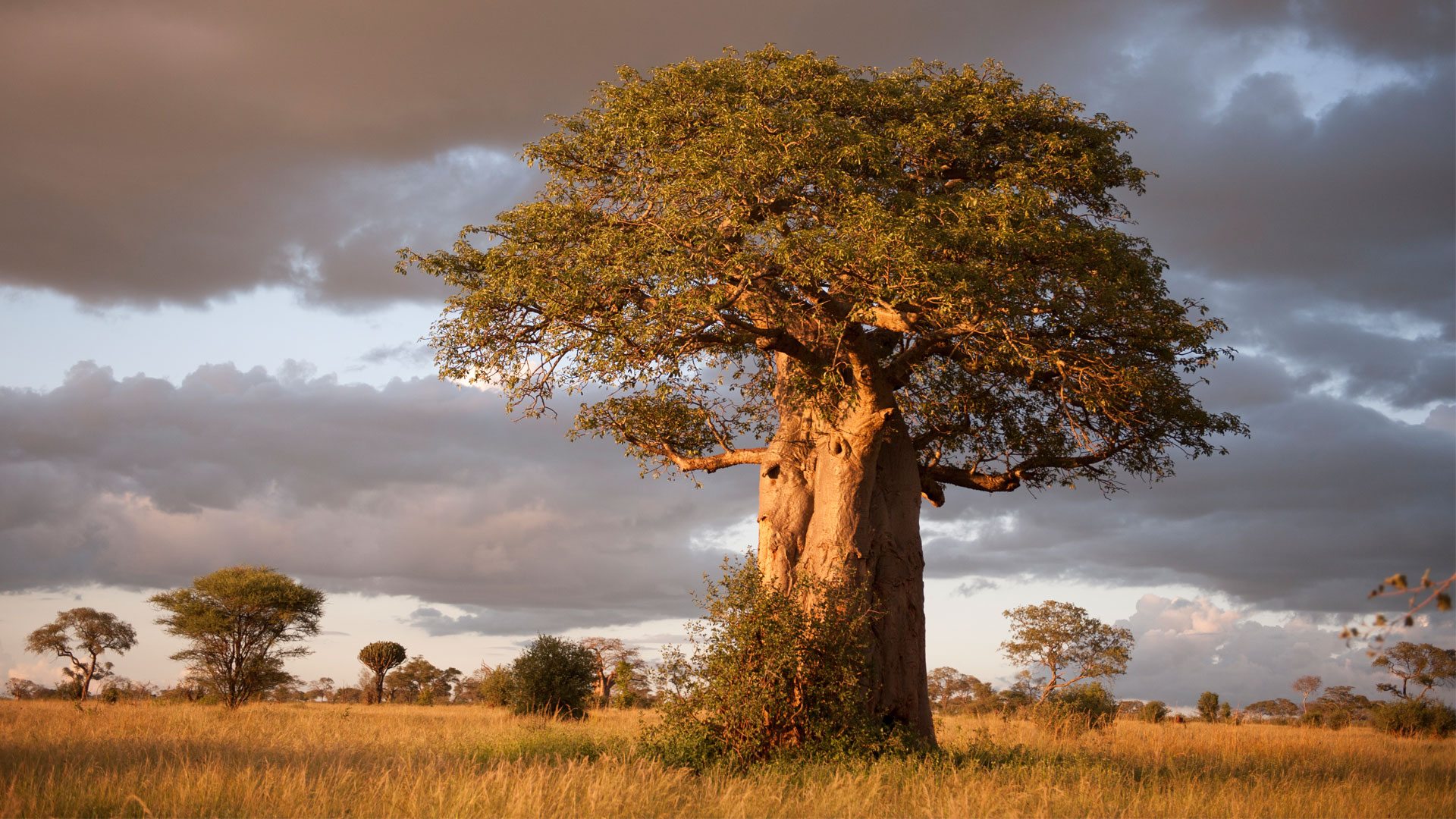
Tarangire National Park is one of the most rewarding places to start a safari in northern Tanzania, combining huge elephant herds, ancient baobab trees and a calmer atmosphere than many of the country’s headline parks. As a guide, it is a favourite location for introducing guests to the African savannah: wide open views, reliable game viewing along the Tarangire River and the feeling of being properly away from the crowds without the highest price tag.
In this Tarangire National Park safari guide, you will find everything needed to decide whether to include the park in your itinerary: where it is and what it feels like, the best time to visit, the wildlife you are likely to see and the types of lodges that work well for different travellers. It is written for first-time Northern Circuit visitors, families, elephant lovers, photographers and anyone who prefers a slightly more laid-back, less congested safari experience.
Published by

Jack Fleckney
Tarangire National Park is a quieter northern Tanzania park known for dry season elephant herds, ancient baobabs and excellent game viewing along the Tarangire River.
Where Is Tarangire and What Is It Like?
Most travellers arrive in Tanzania via Kilimanjaro International Airport, spend a night in or around Arusha, then drive the two to three hours south to Tarangire as the first stop on a Northern Circuit safari. Alternatively, there are short light aircraft flights from Arusha Airport for those who prefer to skip the drive, though this will increase the overall trip cost.
As you leave Arusha the city quickly gives way to open savannah, the Great Rift Valley escarpment and roadside baobabs, with Maasai towns and cattle herds giving a strong sense of place. Shortly before the park gate you turn onto a dirt track that marks the transition from farmland into protected wildlife habitat, and you are greeted by a towering baobab at the entrance, a fitting welcome to Tarangire.
Inside the park, the landscape is defined by rolling grasslands, scattered baobabs, the Tarangire River valley and seasonal wetlands such as Silale Swamp that draw animals in from the wider ecosystem during the dry months. For most travellers, one to three nights here works well, with many itineraries including one or two nights before continuing to Ngorongoro Crater or the Serengeti; elephant fans, photographers and those who prefer fewer vehicles than in Serengeti often feel especially at home.
Why Visit Tarangire National Park?
Elephants and Baobabs
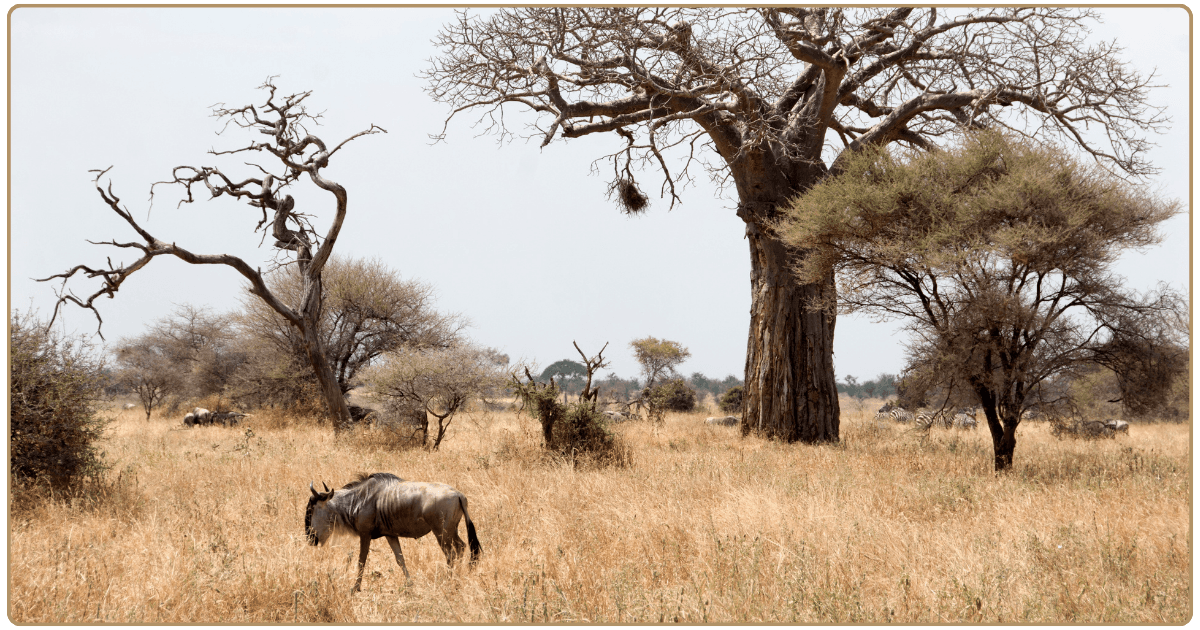
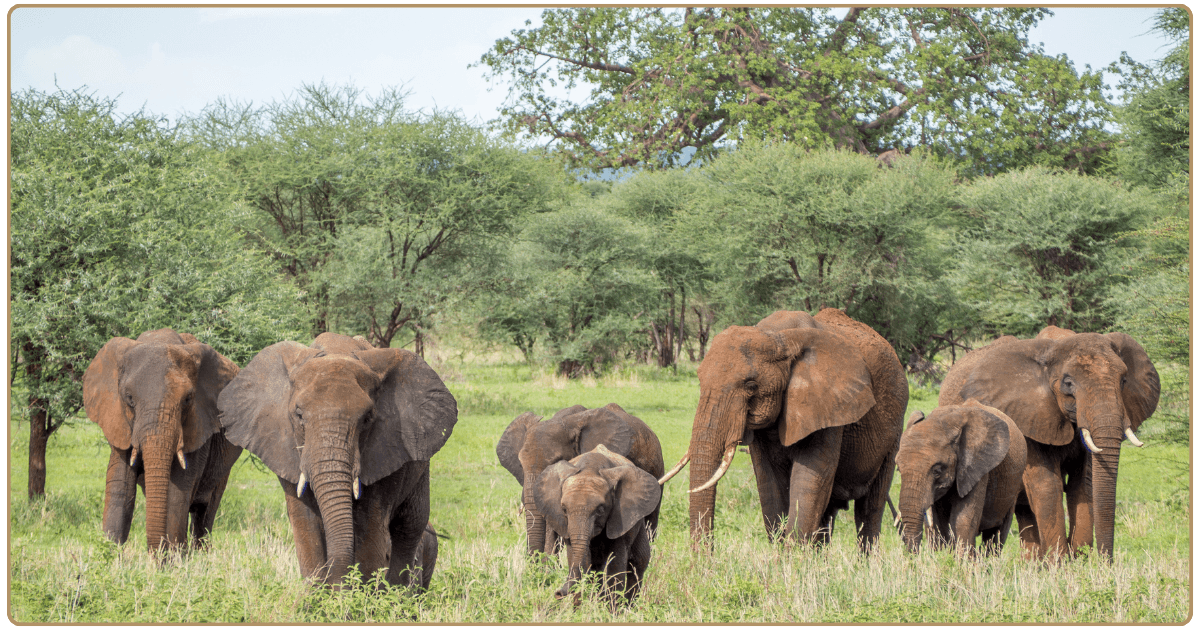
If you love elephants, Tarangire is hard to beat: the park holds one of the largest elephant populations in northern Tanzania, and in the dry season it is almost guaranteed that you will encounter multiple family herds each day, often down by the river. Watching these giants move through groves of baobab trees, some centuries old, is one of Tarangire’s signature experiences and creates the archetypal documentary style safari scenes many people imagine before they travel.
Quieter, More Laid Back Safaris
Compared with the busiest parts of Serengeti or Ngorongoro, Tarangire often feels calmer, especially outside the absolute peak months of July and August. With a good guide who knows the less-trafficked loops, it is usually possible to leave the cluster of vehicles near the main entrance and spend long stretches exploring in relative solitude, making sightings feel more personal and rewarding.
Seasonal Drama Around the River and Swamps
During the long, dry months the Tarangire River and wetlands such as Silale Swamp become lifelines, pulling wildlife in from surrounding areas and concentrating animals along the valley. In greener months, the same areas transform into lush, bird rich wetlands with a very different mood, so returning visitors often experience the park almost as two different destinations.
Best Time to Visit Tarangire
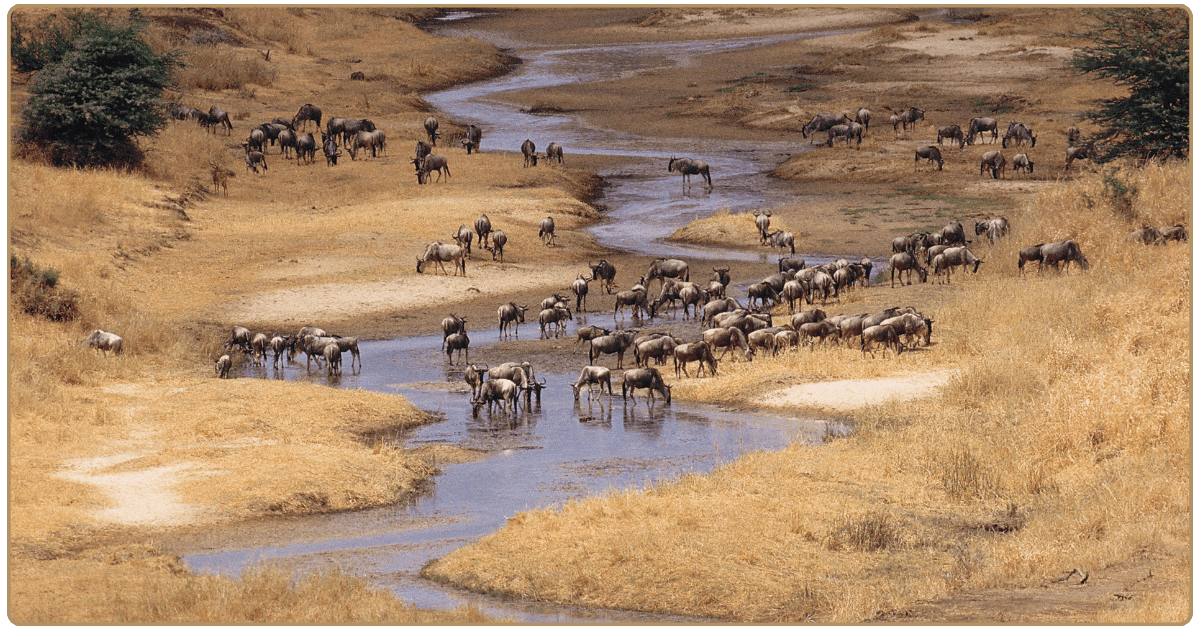
For reliable big game viewing, the best time to visit Tarangire is during the main dry season from around June to October, when large herds of elephant and plains game gather along the river and remaining water sources. The greener months from November to March are excellent for birding, young animals and softer landscapes, with generally fewer vehicles and, in some cases, better value, though wildlife is more dispersed and showers are likely.
If you want consistently strong game viewing with minimal compromise, lean towards the June to September period, especially if this is your first safari. If you are particularly keen on birdwatching, the edges of the rainy season, for example January and February, can offer a superb mix of migrant and resident species along with good chances of seeing larger mammals.
June to October – Dry Season Highlights
• Wildlife concentrates around the Tarangire River, Silale Swamp and permanent waterholes, making sightings frequent and often dramatic.
• Days are typically warm and dry with clearer visibility, though dust increases later in the season.
• This is the busiest and often most expensive time to visit, but it delivers very reliable big game viewing and classic elephant encounters.
November to March – Green Season and Birding
• The first rains bring fresh grass, blossoms and a beautiful, green landscape with fewer vehicles than in peak months.
• Birding is superb, with many migrant species present and plenty of young animals appearing a little later in the season.
• Showers can make wildlife a little harder to spot at times, so patience and flexibility are important if you are used to dry-season concentration.
April to May – Long Rains
• This is the quietest period, with some camps closing and tracks becoming more challenging; those that remain open can feel very remote.
• It may suit repeat visitors, photographers comfortable working between showers, or travellers prioritising value and solitude over guaranteed sightings.
Wildlife You Are Likely to See
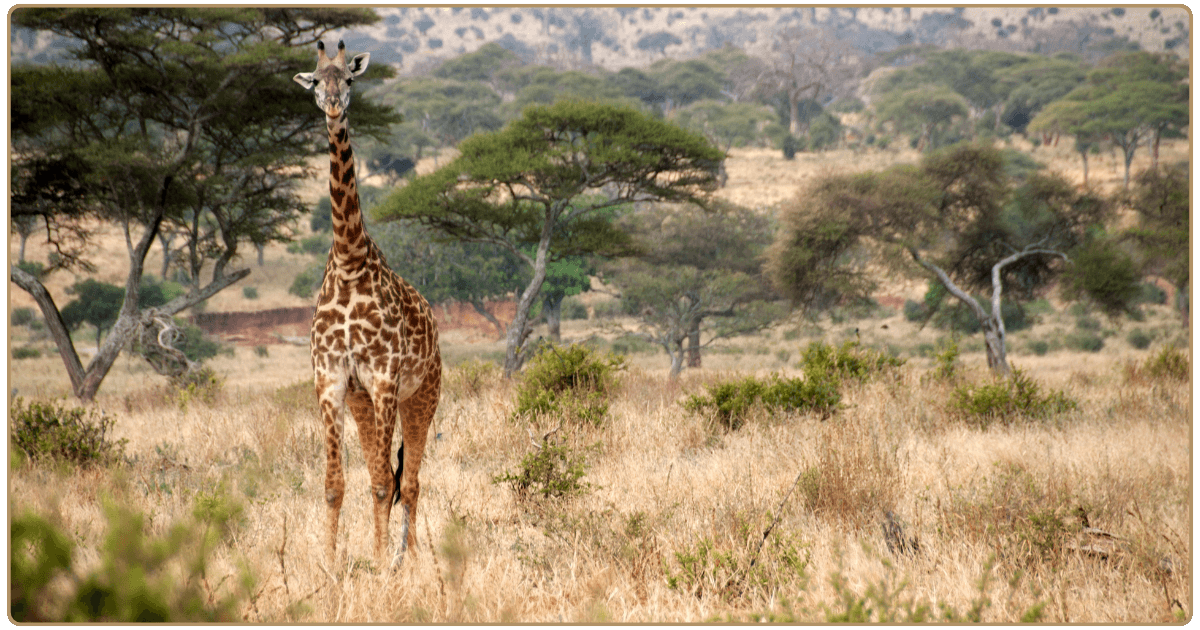
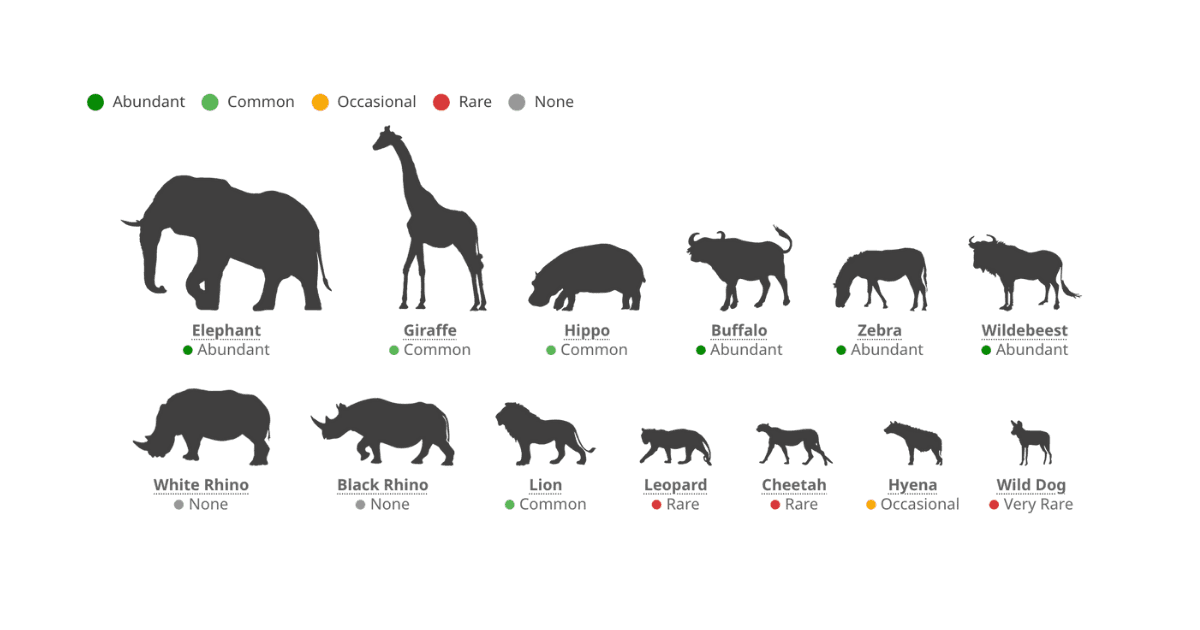
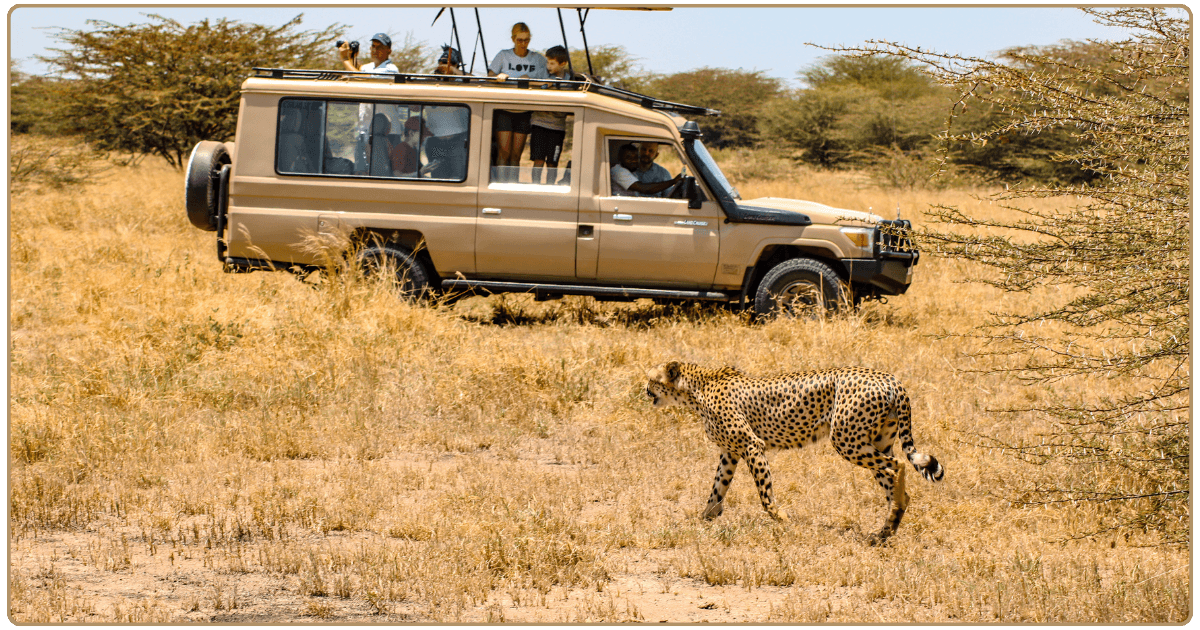
In the dry season particularly, Tarangire delivers classic big game viewing with elephants, zebra, wildebeest, buffalo, giraffe and several antelope species gathering near the river and swamps. Predators such as lion and leopard are present and regularly seen, with cheetah and occasionally African wild dog adding to the excitement for those who are patient and a little lucky.
Common mammals
Birdlife and special sightings
Tarangire is recognised as an outstanding birding destination, with hundreds of recorded species including colourful bee eaters, vultures, raptors and waterbirds around the swamps. The wetter months, particularly around the short rains, often deliver the best variety of species and photographic opportunities, with many migrants in residence and dramatic skies.
Birds often seen in Tarangire
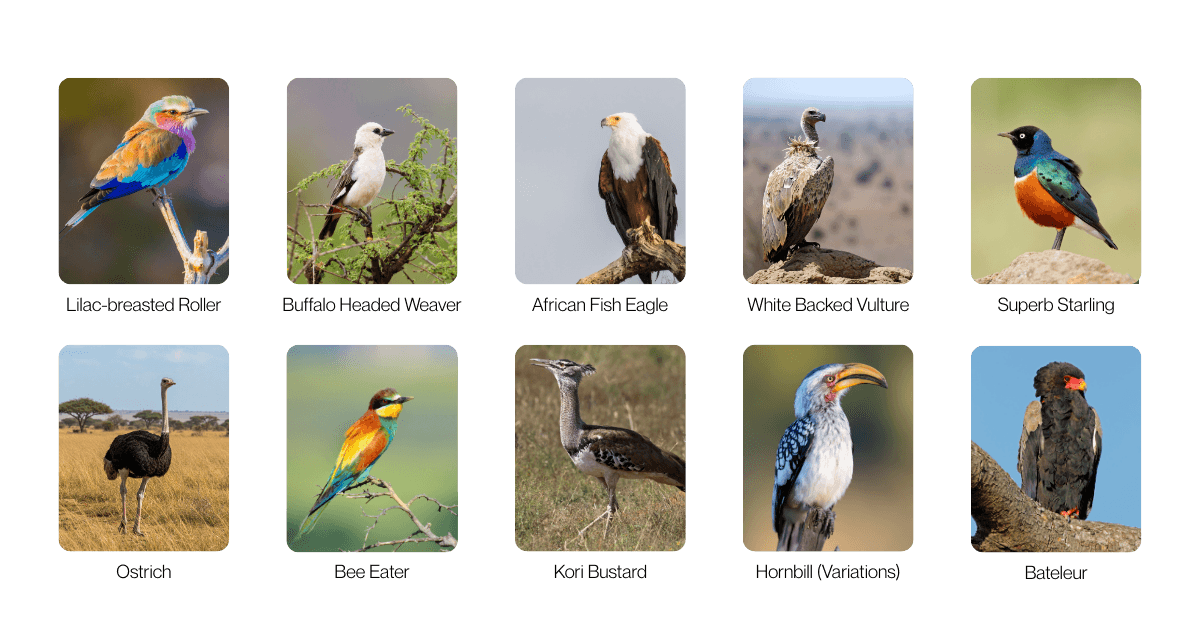
With realistic expectations and the right guide, Tarangire usually works very well for first time safari guests, balancing reliable sightings with enough searching to keep every find exciting.
Recommended Lodges and Camps in Tarangire
Tarangire offers a mix of tented camps and lodges, both inside the park and on surrounding private land, and the best choice depends on budget, travel style and how close you want to be to the wildlife overnight. Legend focuses on well-located, responsibly run properties that make the most of early mornings and late afternoons in prime game areas while keeping impact on the environment low.
Inside the park – close to the wildlife
Staying inside Tarangire means you wake up surrounded by nature, with the sounds of elephants, birds and sometimes lions carrying through the night. The main advantages are being able to leave camp at first light, returning for breakfast after an early game drive, and spending more of each day in the heart of the action rather than commuting from outside.
However, guests should understand that park-based properties usually cost more: in addition to their remoteness and higher operating costs, overnight visitors pay a special concession or camping fee per person to stay inside the national park, on top of standard park entry and conservation fees. In the Tarangire–Burunge area there may also be additional local wildlife management or concession levies to support community-driven conservation, which is another reason inside park stays carry a premium.
Legend’s partners with both Tarangire Greenland Lodge and Conserve Safari Lodge. Both are beautiful new lodges set deep inside the park, away from other camps, with individual tents looking out over the savannah and framed by baobab trees. It is entirely normal to unzip your tent in the morning and find an elephant browsing nearby, making that first coffee on the veranda a particularly special moment.
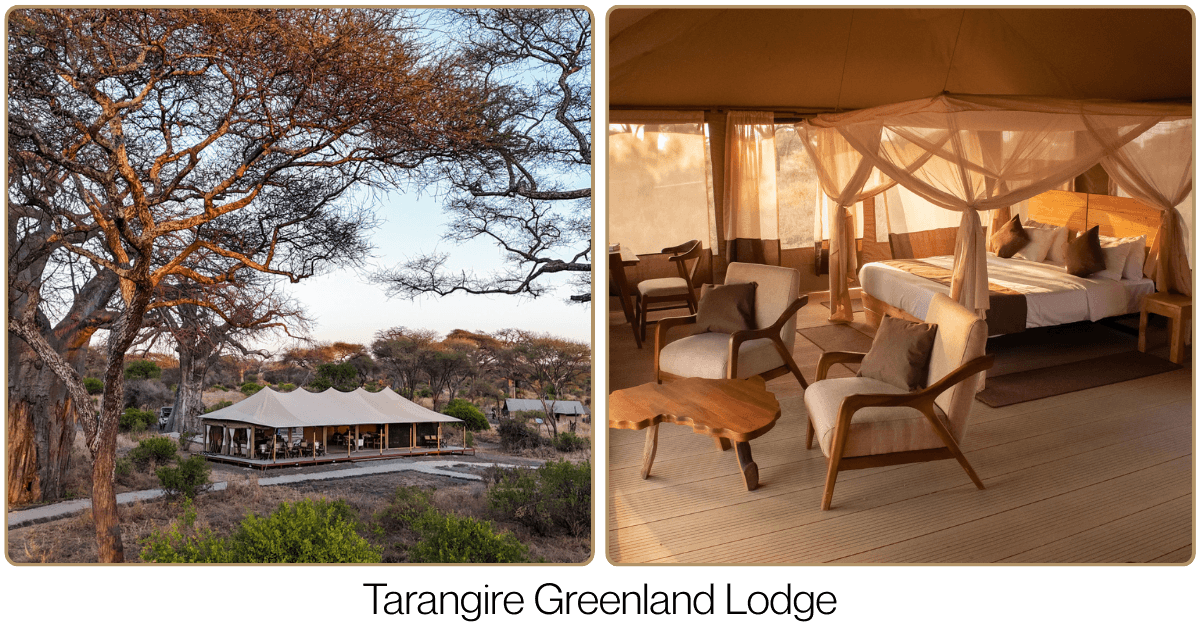
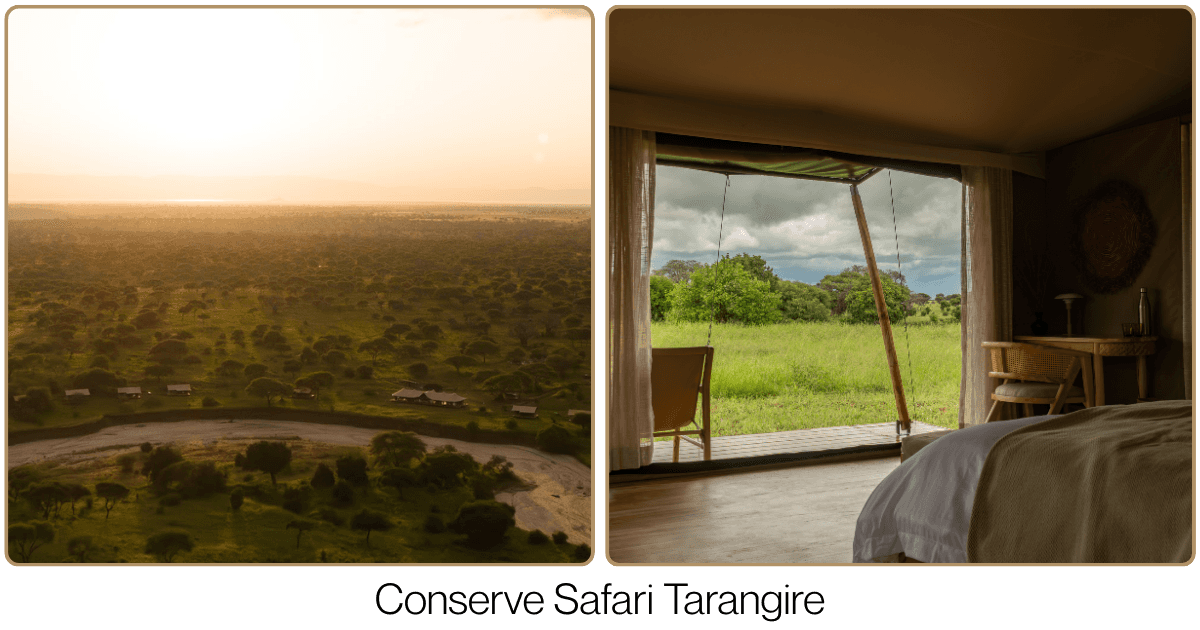
Around Silale Swamp and key wildlife areas
The Silale Swamp region is one of the best wildlife areas in Tarangire, especially from around July to October when animals come in to drink and graze on the fresh grasses. Camps in or close to this area enjoy quick access to some of the park’s most productive game viewing loops, reducing drive times and keeping you close to the action for sunrise and sunset drives.
Outside the gates and conservation areas
Lodges just outside the park boundary can be excellent options for travellers balancing cost and experience: you avoid the higher in-park concession fees, yet are only a short drive from the main gate each morning. Some of these properties also offer activities that are not always possible in the core park, such as night drives or walks on private land, though you do trade a little of the overnight in the bush feeling for this flexibility.
Staying inside the park is still the most immersive choice; it allows you to head out at around 06:00, sometimes even leaving camp in the dark with a flask of coffee to be waiting quietly by a waterhole as the first light reveals elephants and other wildlife starting their day.
Safari Activities in Tarangire
The heart of a Tarangire stay is game drives, either as shared outings from a camp vehicle or private drives with your own guide and 4×4. Legend runs both private and small group safaris; group options work particularly well as a post Kilimanjaro add on, celebrating summits together while keeping costs lower than a fully private itinerary.
On a typical group trip after Kilimanjaro, you arrive at the park just before lunch, game drive in, then stop at a scenic picnic site before spending the afternoon exploring different loops and viewpoints. You usually reach your lodge shortly before sunset to find the campfire lit and dinner waiting, then wake early the next morning for a sunrise game drive, returning for breakfast before continuing your journey or adding a second night in the park.
For travellers coming purely for safari, Legend designs bespoke private itineraries with your own guide and vehicle, planned in detail via a video call to match your priorities and pace.
Other activities, with availability depending on lodge and exact location, can include:
• Guided bush walks with specialist walking guides and park rangers, which are a powerful way to connect with the landscape and notice tracks, plants and smaller details that are easy to miss from a vehicle.
• Night drives in selected areas, giving the chance to look for nocturnal species; where possible, using red filters or softer lights is preferable to bright white beams, which can temporarily affect animals’ night vision.
• Hot air balloon safaris, usually timed for sunrise and followed by a bush breakfast, offering a bird’s eye view of the river valleys and plains in much the same way as on Serengeti balloon flights.
• Cultural visits to nearby communities or markets, giving insight into Maasai and other local ways of life when arranged sensitively and with proper community benefit.
Whatever you choose to do, activities are always subject to national park regulations and guide judgement, with a strong emphasis on low impact, respectful experiences.
How Many Nights in Tarangire and How It Fits Your Itinerary
For most travellers, one or two nights in Tarangire is ideal, long enough to settle in and enjoy varied drives but without adding too much time on the road if you also plan to visit Ngorongoro and Serengeti. If your priority is a slower, more reflective safari, perhaps with particular focus on photography or birdwatching, then three nights can work very well, giving time for both early game drives and relaxed hours at camp.
When building a Northern Circuit itinerary, Tarangire usually works best either at the start or the end of your safari:
• 7 to 9 days: Arusha – Tarangire – Ngorongoro – Serengeti.
• 10 to 12 days: Tarangire – Lake Manyara – Ngorongoro – Serengeti – Zanzibar.
Many Legend guests fly into or out of Serengeti airstrips to reduce long road transfers, visiting Tarangire on the way in or out. If time or budget is tight and your absolute priority is the Great Migration in Serengeti, it can be sensible to focus there and treat Tarangire as optional, as it offers a smaller Serengeti style experience rather than something completely different.
Frequently Asked Questions
Is Tarangire National Park worth it for a first safari?
Tarangire is an excellent choice for a first safari, with strong chances of seeing elephants and other big game, evocative landscapes and generally fewer vehicles than some headline parks. It also tends to be more cost effective than spending the same number of nights entirely in premium Serengeti camps, while still delivering the classic savannah experience.
Tarangire or Lake Manyara, which should I choose?
Lake Manyara is compact and known for its lake views, forests and occasionally tree climbing lions, making it a good half day or one night stop, whereas Tarangire offers more expansive savannah, bigger elephant numbers and a greater sense of space. If you have to choose just one and are keen on elephants and wide open scenery, Tarangire usually has the edge; with more time, including both gives a pleasing contrast.
Is Tarangire good for families with children?
Tarangire works very well for families because drives can be productive even on shorter loops, and children often love the drama of close up elephant sightings and unusual baobab trees. Some lodges offer family tents or interconnecting rooms, and private vehicles can be arranged so game drive times and breaks match children’s energy levels.
Can I see the Big Five in Tarangire?
Elephant and buffalo are commonly seen, and lion and leopard are present, but rhino is not found in Tarangire, so it is not technically a Big Five destination. Think of it instead as one of the best elephant and general game parks in the region, and plan to visit Ngorongoro or certain areas of Serengeti if ticking off the full Big Five is important.
How do I get to Tarangire from Arusha or Kilimanjaro Airport?
From Kilimanjaro International Airport most guests transfer by road to Arusha for an overnight, then continue by 4×4 to Tarangire, a drive of around two to three hours depending on traffic and exact lodge location. There are also short scheduled or charter flights from Arusha Airport into airstrips serving the park, which save time but add to the safari cost.
Is Tarangire crowded in peak season?
In the height of the dry season, the main entrance and a few central loops can be busy at times, especially near popular sightings. However, with an experienced guide and possibly an in park lodge in a quieter area such as near Silale Swamp, it is still usually possible to find stretches of near solitude away from the busiest tracks.
Tarangire National Park blends towering baobabs, seasonal river valleys and some of northern Tanzania’s best elephant viewing into a safari experience that feels both cinematic and surprisingly relaxed. If you would like to weave Tarangire into a wider journey or wake up in a tent with elephants browsing outside, exploring Legend’s Tarangire inclusive itineraries and lodge partners is the natural next step, and personalised advice is only a conversation away.
If you would like to chat with me about Safari, Kilimanjaro or anything Tanzania, you can email me by clicking here, or book a call with me by clicking here.
Thanks,
Jack Fleckney